 English


Blog

What is BPC-157 and how does it affect the digestive system?
The peptide BPC-157 is attracting increasing interest – both among people who care about gut health and those who are physically active. Find out what Body Protective Compound 157 is, how it can support tissue and digestive system regeneration, and why so many people turn to it.
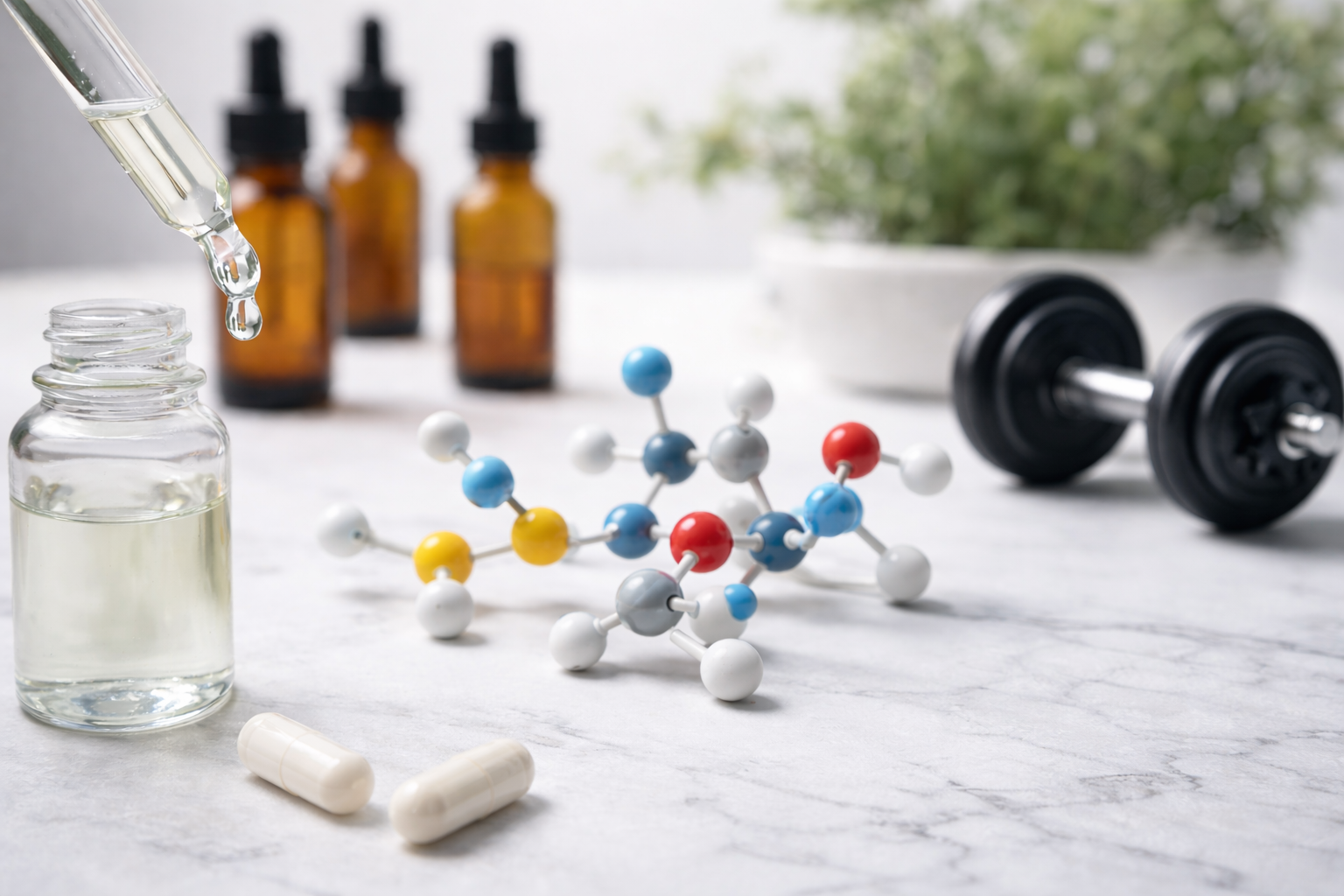
Peptides: the missing link between supplements and medicines?
Peptides are not just another supplement – they are biological signal messengers that can support tissue regeneration, skin condition, mental performance, and stress resistance. Learn how they work and which peptide might be right for you.

Why is mental rest more important today than physical rest?
Modern fatigue rarely comes from the muscles – more often from the mind. An overload of stimuli, working in front of a screen, and constant online availability mean the brain never truly rests. Find out how to effectively take care of your mental recovery.

Why is rest the most often overlooked element of training?
In the world of fitness, it’s not just the intensity of the workout that matters, but also what happens afterward. Rest after training is the moment when the body truly develops – rebuilding muscles, replenishing energy, and preparing for the next challenges. Find out how much recovery time different muscle groups need and how you can effectively support this process – including with the help of the peptide BPC-157, which works at the cellular level and supports the repair of muscles, tendons, and bones after exertion.

Why are more and more people exercising, but recovering more slowly?
Regular exercise is one thing – but what if the body can no longer keep up with recovery? Find out why more and more active people struggle with poor restoration and what steps to take to change it.

Why do more and more people have "unexplained" digestive problems?
Stomach aches, bloating, heartburn without a clear cause – does this sound familiar? More and more people struggle with "unexplained" digestive problems. Find out what is really harming your digestive system and how to effectively support it.

Stress that motivates vs. stress that destroys – how to tell them apart?
Stress can be a driving force – but it can also literally destroy health. Find out how eustress differs from distress and how to recognize which side you are on.

Biological processes behind hair loss

Why does the healing of wounds and scars take longer with age?