 English



Why are more and more people exercising but recovering more slowly? Although many of us regularly engage in physical activity, we increasingly notice that the recovery process after training becomes more difficult. Moreover, worrying symptoms such as chronic fatigue, decreased performance, or muscle pain appear, which may last longer than usual. Why is this happening? Is the cause in the intensity of training, lifestyle, or perhaps the lack of proper recovery methods?
What is poor recovery after training and how does it manifest?
Poor recovery after training is a condition in which the body is unable to properly rebuild and prepare for the next physical challenges. The symptoms of this condition can affect both amateurs and advanced athletes, and their effects can significantly impact sports performance and overall well-being.
Typical symptoms of poor recovery:
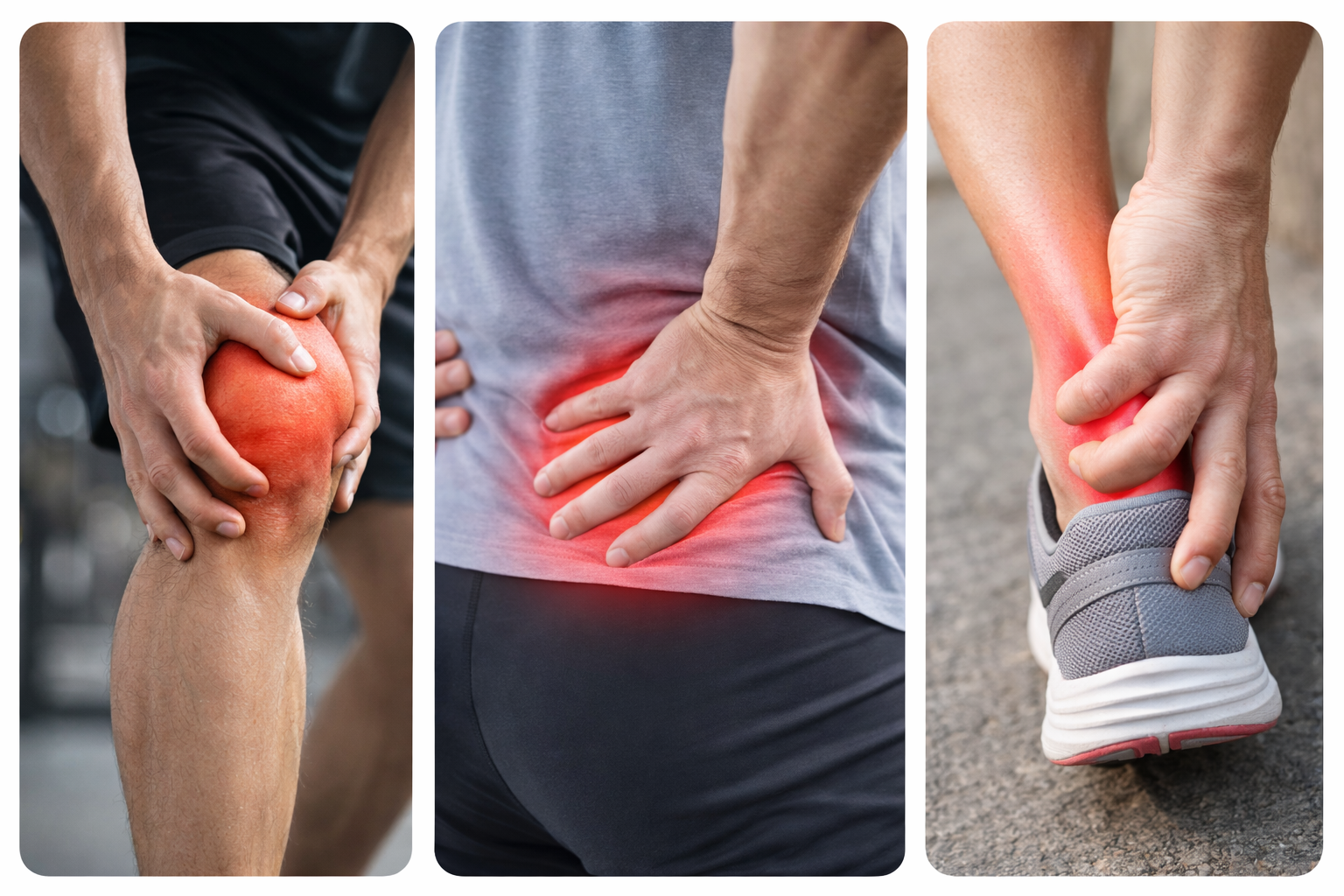
- Persistent muscle pain (DOMS): Instead of subsiding after 24–48 hours, muscle pain lasts longer and is more intense.
- Chronic fatigue: Feeling constantly exhausted, difficulty getting up in the morning, drop in energy during the day.
- Reduced performance: Decrease in strength, endurance, and overall fitness during training. Difficulty achieving previous results.
- Lack of motivation: Apathy, reluctance to train, discouragement, loss of joy in physical activity.
- Sleep problems: Difficulty falling asleep, shallow sleep, frequent awakenings.
- Increased susceptibility to injuries: Tired muscles and joints are more prone to injuries.
- Mood changes: Irritability, mood swings, feelings of depression.
Recognizing these signals is crucial to take appropriate steps and prevent the problem from worsening.
Main causes of poor recovery after exercise
Understanding what lies behind regeneration problems is the first step to solving them. Many factors, both related to training and lifestyle, can negatively affect the body's ability to recover.
Lack of sleep
Lack of sleep is one of the most serious enemies of regeneration. It is during sleep that the greatest repair of micro muscle damage, nervous system regeneration, and production of anabolic hormones occur. Short or interrupted sleep significantly slows down these processes.
Inadequate diet
A diet poor in macro- and microelements, insufficient calorie intake (especially protein and carbohydrates) inhibits the energy (glycogen) and structural rebuilding of muscles. The lack of key vitamins and minerals also impairs the biochemical processes necessary for regeneration.
Dehydration
Water is absolutely crucial for all recovery processes in the body, including nutrient transport, removal of metabolic waste, and proper joint function. Even slight dehydration can significantly slow down recovery.
Too much training volume or intensity (overtraining)
Overtraining is a state where training exceeds the body's adaptive capacity. Constantly stressing muscles without sufficient rest leads to exhaustion, chronic fatigue, and decreased performance.
Stress
High levels of stress (physical, mental, emotional) activate the nervous and hormonal systems, which can slow down recovery processes, disrupt sleep, and weaken the immune system.
Poor recovery is often the result of a combination of several of these factors, not just one.
How to effectively improve recovery after training – a holistic approach
Improving recovery is a process that requires a comprehensive approach. Post-training recovery is not based solely on supplementation – it is crucial to understand how different lifestyle aspects affect the body's ability to repair. Proper diet, sleep, hydration, physical activity, and various recovery-supporting methods form the foundation of an effective recovery process. Below we present some key elements worth including in your daily routine to fully optimize recovery.
1. Sleep and rest: The foundation of recovery
Optimizing sleep hygiene: Sleep is the foundation of recovery, and it is during sleep that the body undergoes the repair process. To make sleep effective, it is worth maintaining a consistent schedule – go to bed and wake up at the same times every day. Create conditions conducive to recovery: a dark, quiet, and cool bedroom promotes deep rest. Also avoid exposure to blue light (e.g., from phones) before sleep, as it can disrupt melatonin production and make falling asleep difficult.
Incorporating rest days: Rest is not just about sleep. Plan regular days without intense training to give your body and mind time to recover. Even on rest days, you can include light activities like walking or yoga, which support the recovery process.
2. Nutrition: Fuel for the body
Proper protein intake: Protein is the basic building block of muscles. To support their repair after training, consume an adequate amount of protein, preferably spread throughout the day. For those training intensively, the daily requirement is about 1.6–2.2 g per kg of body weight. Protein intake after training is especially important to aid recovery.
Post-workout carbohydrates: Carbohydrates are crucial for replenishing glycogen stores in muscles that have been depleted during exercise. Eat a meal rich in simple and complex carbohydrates (e.g., fruits, whole grain products) to quickly restore energy reserves.
Fats: Healthy fats, such as omega-3 fatty acids, have anti-inflammatory effects and support joint and nervous system health, which is especially important in the regeneration process.
Hydration: Water plays a key role in regeneration processes. Drink an adequate amount of water throughout the day, and increase intake on training days to support nutrient transport, removal of metabolic waste, and proper joint function.
3. Active Regeneration: Movement is Health
Light activities: Physical activity does not have to be limited to intense workouts. On non-training days, it is worth introducing light activities such as walking, swimming, yoga, or cycling. These types of exercises support blood circulation, accelerate the removal of metabolic waste, and help relax muscles.
4. Supportive Treatments: Support for the Body
Massages: Regular massages, both professional and self-administered (e.g., using foam rollers), help relax tense muscles, improve circulation, and reduce pain and stiffness after training.
Stretching: After every workout, it is worth spending 10–15 minutes stretching. Stretching helps improve muscle flexibility, increases range of motion, and reduces the risk of injury.
Sauna or alternating baths: Heat improves circulation, relaxes muscles, and supports the body's detoxification. Regular use of the sauna or alternating baths in warm and cold water can help in the regeneration process.
5. Supplementation: Purposeful Support
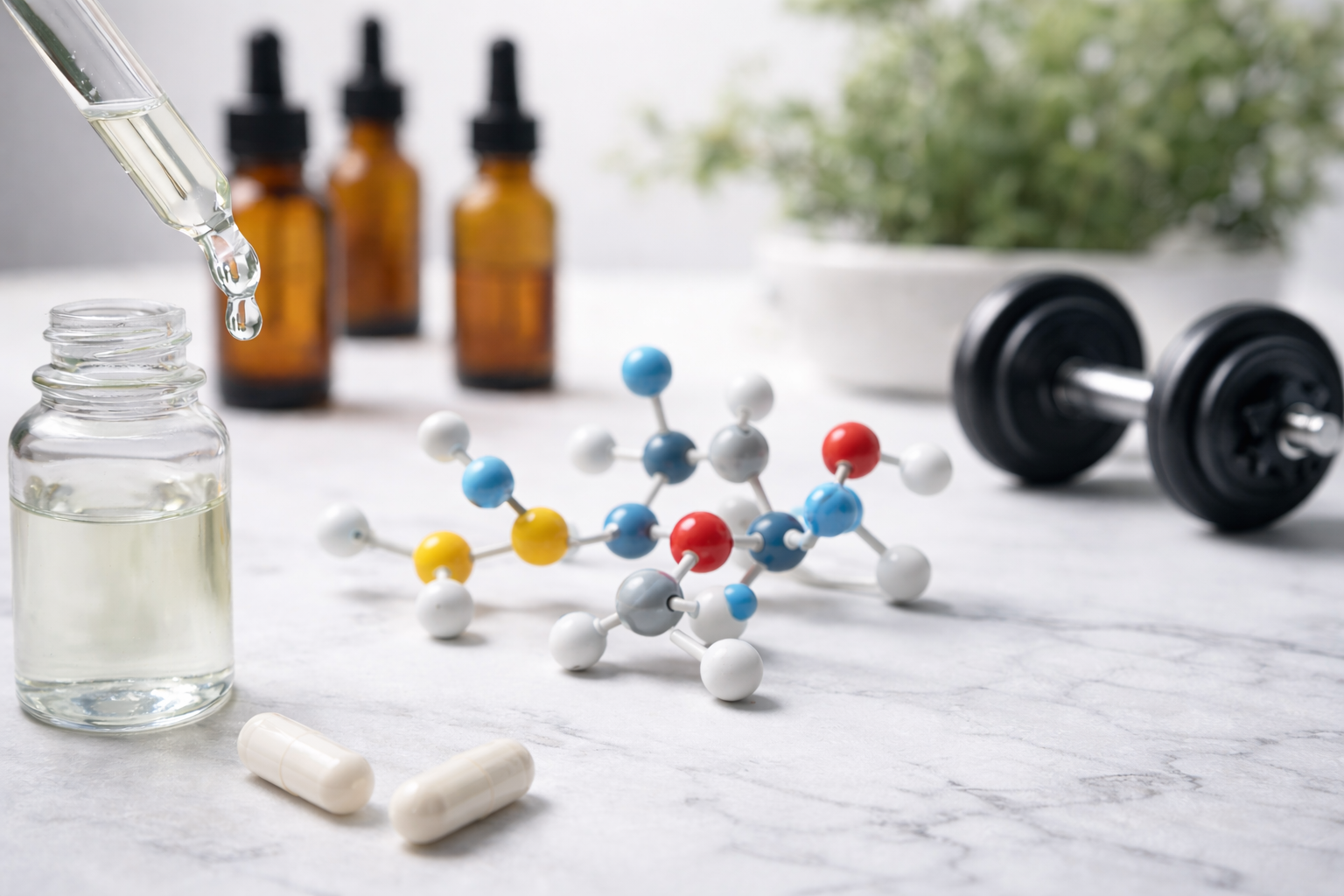
Although the foundation of regeneration is sleep, nutrition, and active rest, proper supplementation can provide valuable support, especially in cases of increased bodily demand or deficiencies. It is worth taking care of vitamins and minerals (e.g., magnesium, zinc, vitamin D) that support regenerative processes. BCAA/EAA amino acids, creatine, or adaptogens (e.g., ashwagandha) are supplements that can help reduce stress, increase endurance, and support muscle recovery.
Additionally, one of the modern supplements that can significantly support recovery is NL-BPC-157™. This innovative peptide supports natural regenerative processes by improving intestinal barrier integrity, tissue regeneration, and supporting overall body immunity. The BPC peptide also acts on mucosal regeneration and improves intestinal comfort, accelerating repair processes in bodies tired from intense effort.
Remember that supplements are a complement, not a substitute for a healthy lifestyle and proper diet.
When to seek help? Warning signs of overtraining
Implementing all the above lifestyle and training changes usually brings significant improvement in recovery. However, if despite optimizing sleep, diet, hydration, using relaxation techniques, and supplementation, symptoms such as chronic fatigue, decreased performance, sleep problems, or lack of motivation persist or worsen, it may be a sign of overtraining.
Overtraining is a serious condition that requires more than just minor adjustments – often a longer break from intense training is necessary, and sometimes even consultation with a specialist (sports doctor, physiotherapist, dietitian). Listening to the signals sent by your own body is crucial for long-term health and sports progress.
Summary
Effective recovery after training is a key element in achieving better sports results and maintaining good well-being. Achieving optimal recovery requires a holistic approach that includes several important lifestyle aspects. Optimizing sleep hygiene, proper diet, hydration, active rest, and supportive techniques such as massages or stretching are the foundations of an effective recovery process.
Moreover, although supplementation can be a valuable support, it does not replace healthy habits that support recovery at the cellular level. Additionally, remember that in the case of overtraining, a longer break from intense workouts and consultation with a professional are necessary. Regularly incorporating these methods into your routine will help not only in faster recovery but also in improving overall physical and mental condition. Take care of your body, and it will reward you with better results and more energy to act.
Frequently Asked Questions (FAQ)
1. What affects recovery after training?
Recovery after training depends on many factors, such as sleep, proper diet, hydration, physical activity, and the use of various recovery techniques (e.g., massages, stretching, sauna). Too little sleep, improper diet, dehydration, or lack of rest between workouts can delay the recovery process.
2. What symptoms indicate poor recovery?
Symptoms of poor recovery after training include: chronic fatigue, decreased performance, persistent muscle soreness (DOMS), sleep problems, lack of motivation for training, increased susceptibility to injuries, and mood changes (irritability, feelings of depression). If you notice these symptoms, it is worth paying attention to your recovery habits and making appropriate changes.
3. Is there an ideal diet that supports recovery?
Yes, a proper diet is crucial in the recovery process. It is important to consume protein (about 1.6–2.2 g per kg of body weight), which supports muscle rebuilding. After training, it is worth reaching for carbohydrates (simple and complex), which replenish glycogen stores in the muscles. Additionally, fats (especially omega-3) and hydration play a key role in recovery processes.
4. How long does recovery take after intense training?
Recovery time depends on the intensity of the training, the level of advancement, and individual body factors. Usually, full recovery after intense training can take from 24 to 48 hours, but in the case of more intense efforts or overtraining, it may take longer. Regular rest days and the use of appropriate recovery methods can speed up this process.
5. What to do if I don’t feel recovered after training despite resting?
If despite adequate rest you still feel tired and lack energy, it may indicate overtraining. In such a case, it is worth taking a longer break from intense workouts and consulting a sports doctor, physiotherapist, or dietitian to ensure that no serious health issues have occurred.
6. Can supplementation help with recovery?
Yes, proper supplementation can support the recovery process, especially in cases of increased demand or deficiencies. Amino acids (BCAA/EAA), creatine, adaptogens (e.g., ashwagandha), as well as vitamins and minerals (e.g., magnesium, vitamin D) can help speed up muscle recovery, reduce stress, and improve sleep quality. However, it is important that supplementation complements a healthy diet and physical activity.
7. What are the most effective active recovery methods?
Light physical activities such as walking, swimming, yoga, or cycling can speed up recovery by improving blood circulation, which supports the transport of nutrients to the muscles and accelerates the removal of metabolic waste products. Regular activity on non-training days is beneficial for maintaining cardiovascular activity and improving muscle flexibility.

Why do more and more people have "unexplained" digestive problems?
Why is rest the most often overlooked element of training?