 English



Many of us struggle with various digestive problems that often lack a clear explanation. Stomach pain, bloating, indigestion, constipation, or heartburn are just some of the ailments that can greatly hinder daily life. More and more people experience these issues, and diagnoses can be difficult to establish.
Causes of digestive problems: what affects our digestive system?
Understanding the causes of digestive problems is the first step to solving them. It is extremely important to notice that the digestive system can be sensitive to a range of factors – from diet, through stress, to environmental pollution. Additionally, an increasing number of people face issues related to the intestines, such as irritable bowel syndrome (IBS) or food intolerances, which can intensify digestive ailments.
Changes in lifestyle, such as eating in a hurry, unhealthy diet, lack of physical activity, or chronic stress, can lead to digestion disorders and general discomfort. It is important to be aware of these factors and take steps that will support our digestive system.
Comprehensive digestive support: Diet and home remedies
Healthy digestion is the foundation of good well-being. To ensure the proper functioning of the digestive system, besides supplementation, an appropriate diet and simple home methods that can significantly aid digestion are key.
Lightly digestible diet – your allies in digestion
The basis of healthy digestion is a lightly digestible diet that does not burden the stomach or intestines. It is worth introducing into your daily diet:
- Increased fiber intake: Fiber regulates intestinal peristalsis and supports a healthy bacterial flora. Sources of fiber include cooked and raw vegetables, fruits (especially berries, apples, pears), and wholegrain products such as groats, brown rice, or wholegrain bread.
- Proper hydration: Drinking at least two liters of water daily is essential for the proper functioning of the intestines and the transport of nutrients in the body.
- Lightly digestible meals: Use dishes steamed, baked, or stewed. Avoid fatty, fried, and highly processed products that can lead to indigestion and bloating.
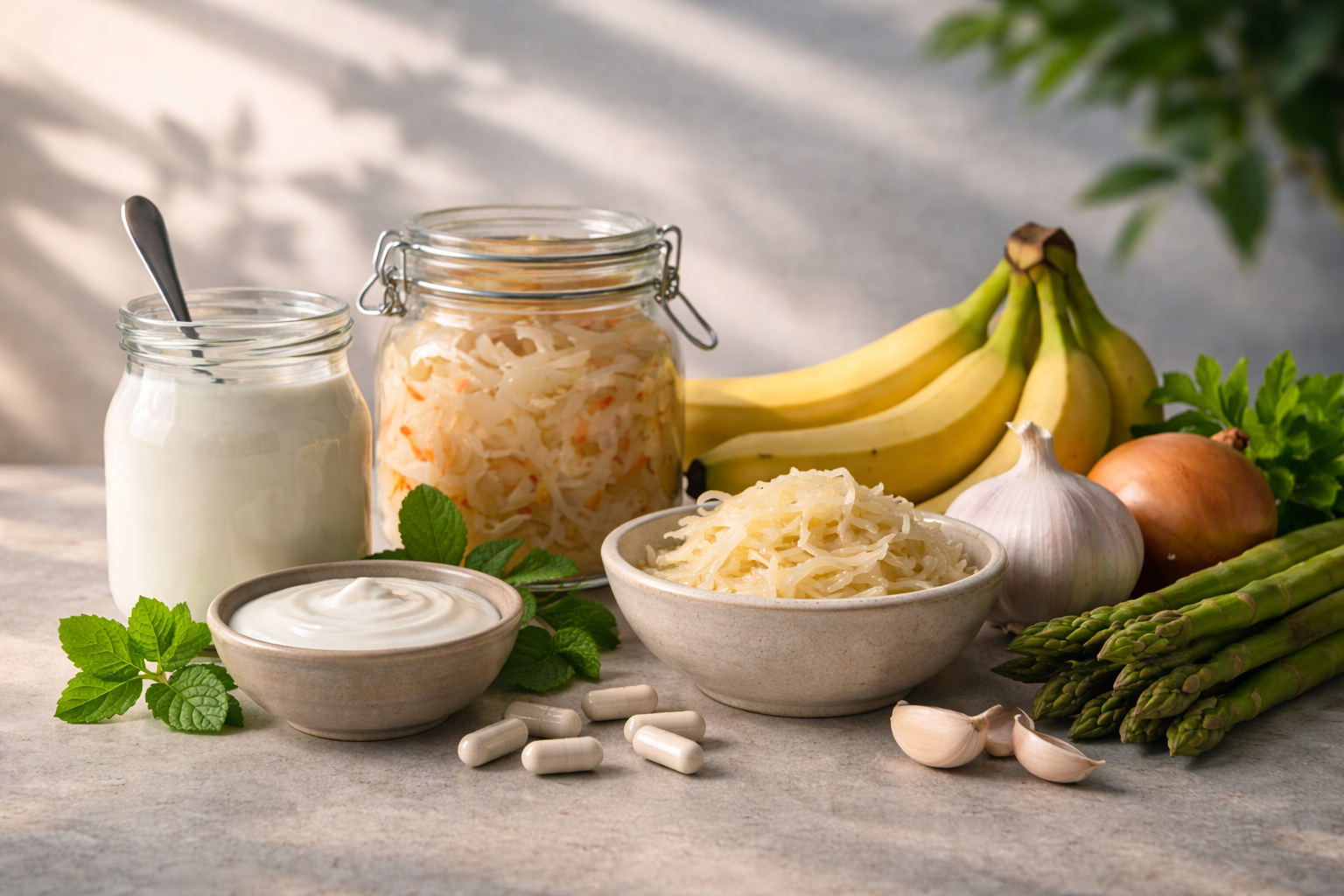
- Natural probiotics: Regularly including products such as fermented yogurts, kefirs, and pickled vegetables (sauerkraut, cucumbers) supports the intestinal microbiome and promotes healthy digestion.
Physical activity and mindful eating – the key to healthy digestion
Besides diet and supplementation, your lifestyle is equally important. Two simple habits can significantly affect digestive comfort:
- Regular physical activity: Even a short walk after a meal can work wonders. Movement supports intestinal peristalsis, preventing stagnation and constipation, and also helps reduce bloating.
- Mindful eating: Avoid rushing during meals. Eat slowly and chew each bite thoroughly. Stress and fast eating can lead to swallowing air, which causes bloating, and to inefficient digestion. Creating a calm atmosphere around meals promotes better digestion.
What to avoid for healthy digestion?
To support the digestive system, it is as important to avoid factors that can burden and irritate it as it is to pay attention to what you eat and supplement:
- Alcohol: It can irritate the mucous membrane of the stomach and intestines and disrupt the intestinal microflora.
- Strong coffee: In excess, it increases stomach acid secretion, which can lead to heartburn and irritation.
- Smoking: Negatively affects the entire digestive system, from the mouth to the intestines, increasing the risk of many ailments.
- Fast eating and stress: Rushing and stress during meals disrupt natural digestive processes, leading to indigestion and bloating.
Conscious elimination of these factors will significantly improve your digestive comfort and overall health.
Supplementation supporting digestion: Modern solutions for digestive health
Besides diet and lifestyle, supplementation can play a key role in improving digestion and overall digestive health. More and more people reach for products that support the regeneration of the mucous membrane, improve the intestinal microbiome, and support natural digestive processes. One such product is NL-BPC-157™ – a modern peptide that supports tissue regeneration and digestive system health.
NL-BPC-157™, or Hexadecapeptide, is an innovative product developed with the patented NL-PEPTIDES™ technology, ensuring maximum stability, purity, and bioavailability. The BPC peptide was created to support the body's natural repair processes and acts on tissue regeneration, immunity, and metabolic balance, especially in the context of the digestive system.
If you struggle with chronic digestive problems or simply want to support the health of your digestive system, proper supplementation can be an effective solution supporting the body's natural regeneration.
Summary
Digestive problems are a common issue often resulting from an improper diet, lifestyle, or imbalance in the body. Understanding the basic principles of digestion and introducing healthy eating habits, such as consuming fiber, natural probiotics, and maintaining hydration, can significantly improve the functioning of the digestive system. Moreover, regular physical activity and avoiding stress and haste during meals support healthy digestion. If ailments are chronic, it is worth consulting a doctor to find the best solution.
Frequently Asked Questions (FAQ)
Why are more and more people having digestive problems?
More and more people face digestive problems due to poor diet, stress, lack of physical activity, and genetic factors. Additionally, the modern lifestyle, fast pace of life, and environmental pollution can affect our digestive system. Problems such as bloating, heartburn, stomach pain, or constipation are common but often ignored, leading to chronic ailments.
What are the most common digestive problems and how to recognize them?
The most common digestive problems include bloating, heartburn, indigestion, constipation, irritable bowel syndrome (IBS), leaky gut syndrome, and stomach ulcers. Symptoms may include stomach pain, a feeling of fullness, bloating, burning in the esophagus, difficulty digesting food, irregular bowel movements, and general discomfort in the digestive tract.
What dietary changes can help with digestive problems?
To improve digestion, it is worth introducing a lightly digestible diet rich in fiber, wholegrain products, vegetables, and fruits. Drinking plenty of water is also important, as it helps maintain proper intestinal peristalsis. Fermented products such as yogurts, kefirs, or pickled vegetables support the intestinal microbiome. It is advisable to avoid fatty, fried, and highly processed foods that can lead to indigestion and bloating.
What is NL-BPC-157™ and how can it help with digestive problems?
NL-BPC-157™ is an innovative peptide that supports the regeneration of tissues and the mucous membrane of the digestive system. Thanks to the patented NL-PEPTIDES™ technology, NL-BPC-157™ improves the tightness of the intestinal barrier, supports tissue regeneration, and has anti-inflammatory effects. The product is especially recommended for people with digestive problems such as IBS, IBD, reflux, or ulcers. By supporting natural regeneration processes, it helps improve intestinal comfort and digestion.
What other methods can help improve digestion?
Besides diet, supplements, and home remedies, it is worth taking care of regular physical activity. Even a short walk after a meal supports intestinal peristalsis, improves digestion, and prevents bloating. Additionally, it is advisable to avoid rushing during meals, eat slowly, and chew each bite thoroughly to prevent digestive problems and bloating. Also, maintain healthy sleep and reduce stress, which also affect the functioning of the digestive system.

Stress that motivates vs. stress that destroys – how to tell them apart?
Why are more and more people exercising, but recovering more slowly?