 English



The peptide BPC 157 is one of the most frequently discussed peptides in the context of tissue regeneration and support for the digestive system's function. In recent years, it has gained huge interest both in the scientific community and among people focused on body regeneration and digestive comfort.
The name BPC-157 comes from the term Body Protective Compound 157 and refers to a synthetic peptide made up of 15 amino acids. It was developed based on a fragment of a protein naturally found in gastric juice. This origin is what made its potential impact on the digestive system and tissue regeneration of the digestive tract the subject of numerous studies.
Today, the topic of BPC-157 appears more and more often not only in scientific literature but also in conversations about body regeneration, gut health, and recovery after physical exertion.
What is the BPC-157 peptide?
The BPC 157 peptide belongs to the group of short amino acid chains that can serve as biological signals in the body. Simply put, this means they can support communication between cells and participate in processes related to tissue regeneration.
Interest in this peptide mainly stems from its potential impact on the body's regenerative mechanisms. Research analyzes, among other things, its connection with:
- rebuilding soft tissues
- regeneration of the digestive tract
- supporting healing processes
- functioning of blood vessels
Because of this, BPC-157 is today often discussed as a peptide with broad regenerative potential, although it should be remembered that research on its effects is still developing.
BPC-157 – most frequently discussed areas of action
| Area | How is the action of BPC-157 most often described? |
|---|---|
| Digestive system | Support for regeneration of the stomach and intestinal mucosa |
| Intestines | Help in maintaining the integrity of the intestinal barrier |
| Muscles | Support for regeneration after intense effort |
| Tendons | Tissue rebuilding after overload |
| Soft tissues | Support for natural repair processes |
| Convalescence | Aid in recovery after injuries |
How can BPC-157 affect the digestive system?
One of the most frequently discussed areas of BPC-157's action is the digestive system. Since this peptide is derived from a fragment of a protein found in gastric juice, its potential effects are primarily analyzed in the context of protecting and regenerating the mucous membrane of the digestive tract.
In scientific literature, BPC-157 appears in the context of:
- supporting the regeneration of the stomach lining
- maintaining the integrity of the intestinal barrier
- supporting the body's natural repair processes
- improving digestive comfort
That is why the frequently searched term bpc 157 for intestines appears so often. Many people are interested in it in the context of supporting the digestive tract and regenerating the intestinal mucosa.
An example of a solution developed with this area in mind is NL-BPC-157™, which supports the natural regeneration processes of the mucous membrane and helps maintain the integrity of the intestinal barrier. Thanks to this, it may contribute to improving digestive comfort and support the repair of gastrointestinal tissues.
BPC-157 in the context of tissue regeneration
Beyond the digestive system, BPC-157 is also widely discussed in the context of tissue regeneration. Experimental studies analyze its potential impact on the repair processes of muscles, tendons, and blood vessels.
That is why the peptide BPC 157 is so often mentioned in conversations about recovery after physical exertion. Physically active people are especially interested in it in the context of shortening recovery time and improving tissue resistance to overload.
Peptide BPC-157 supports the regeneration of muscles, tendons, and bones after intense physical effort. It works at the cellular level, supporting the natural tissue renewal processes and helping the body return to full fitness faster.
BPC-157 in the sports and bodybuilding community
In recent years, BPC-157 has also become a topic of numerous discussions in sports and bodybuilding communities. The interest mainly stems from reports about its potential impact on muscle regeneration and tissue healing processes.
In sports-related circles, the peptide BPC 157 often appears in the context of:
- regeneration after intense training
- support for tendon repair
- recovery from overuse injuries
It is important to remember, however, that much of the information circulating on the internet is based on interpretations of experimental studies or user experiences, rather than large clinical trials involving humans.
Safety and potential side effects
As with any biologically active substance, a responsible approach to its use is crucial. Some sources mention potential body reactions resulting from improper or uncontrolled use.
Symptoms sometimes mentioned in some reports include, among others:
- nausea
- headaches
- dizziness
However, the body's reaction can be individual and depends on many factors, such as overall health, lifestyle, and how the substance is used. Therefore, when using products that support the body's regeneration, it is especially important to choose high-quality preparations and use them according to the manufacturer's recommendations.
It is also important to choose products from trusted sources, from manufacturers who prioritize quality, purity of ingredients, and transparency. Equally important is selecting solutions that have been tested, developed according to modern standards, and have confirmed properties supporting the body. It is precisely the product quality, origin, and manufacturer credibility that are among the most important factors for safe and informed supplementation.
Summary
The BPC 157 peptide is a compound that is gaining increasing attention in the context of tissue regeneration and digestive system support. It is most often discussed regarding the repair of the gastrointestinal mucosa. At the same time, BPC-157 is increasingly studied for muscle, tendon, and other tissue regeneration. It is this combination of regeneration and digestive health that makes the topic so compelling.
Although research on peptides is still evolving, more and more people are interested in their potential role in supporting the body's natural regenerative processes and maintaining metabolic balance.
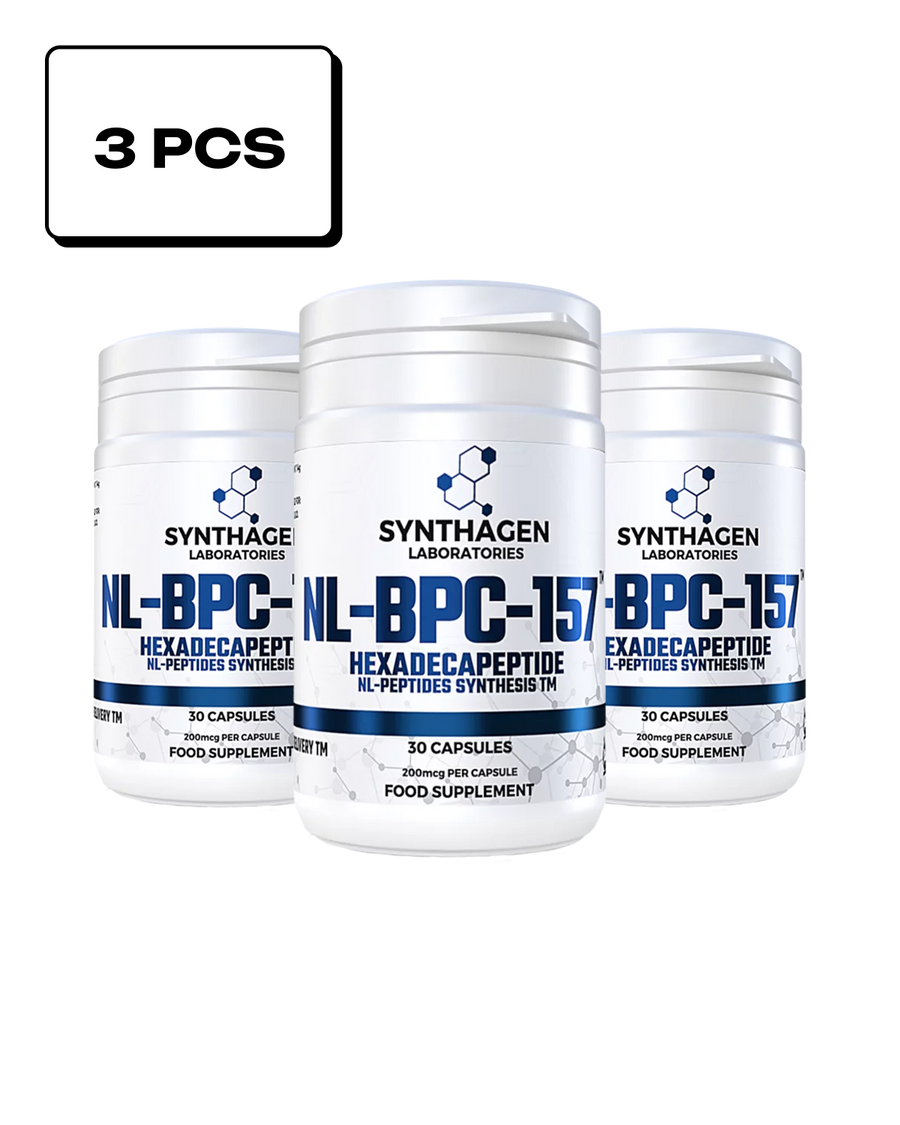
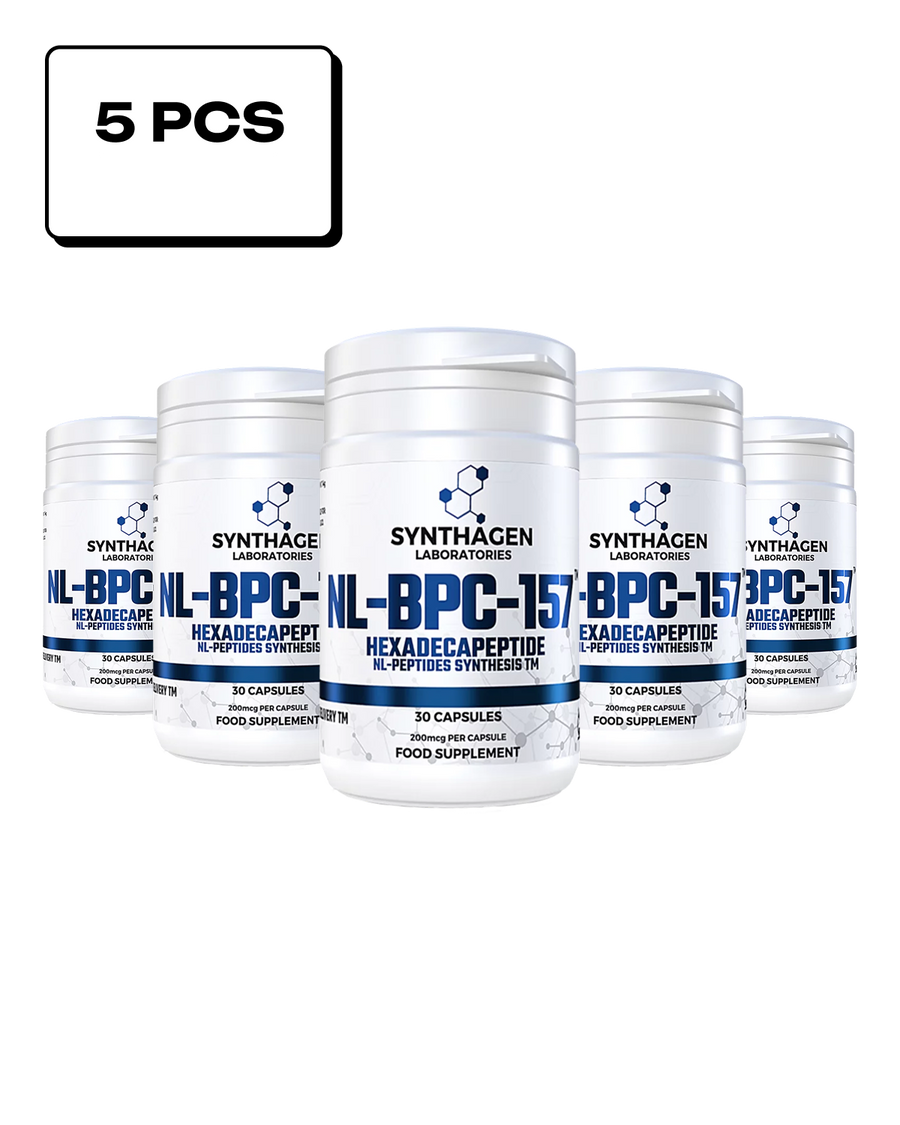
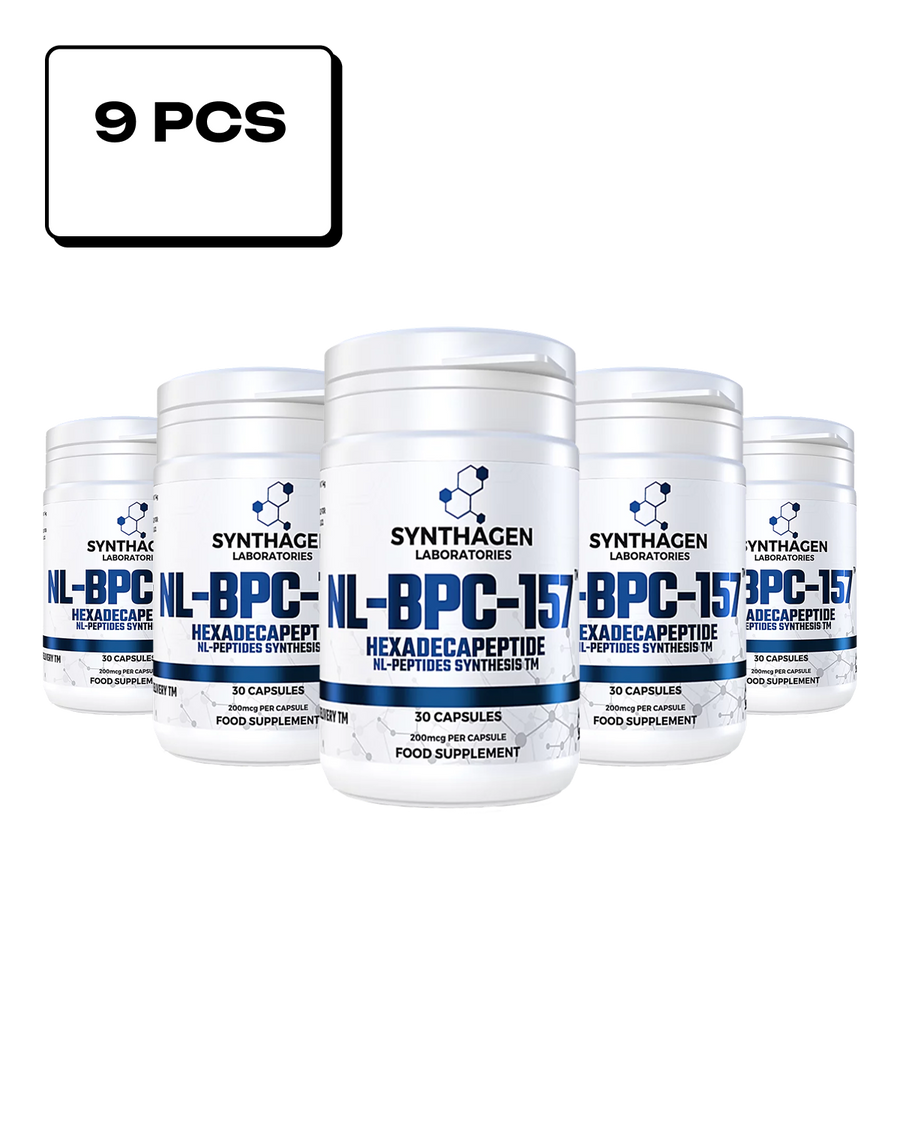
BPC-157 Peptide Sets available at Synthagen Labs
Frequently Asked Questions (FAQ)
What is BPC 157?
BPC-157 (Body Protective Compound 157) is a peptide made up of 15 amino acids, developed based on a fragment of a protein naturally found in gastric juice. Scientific studies examine its potential impact on the body's regenerative processes, especially in the context of tissue repair and supporting the digestive system.
How does the BPC 157 peptide work?
The BPC 157 peptide acts as a biological signal messenger in the body. This means it can participate in communication between cells and support natural repair processes. In scientific literature, its potential impact on tissue regeneration, blood vessel function, and the restoration of the gastrointestinal mucosa is most often discussed.
Can BPC-157 support the intestines?
In many publications, BPC-157 is analyzed in the context of gastrointestinal mucosal regeneration. Experimental studies examine its potential impact on the integrity of the intestinal barrier and repair processes within the digestive tract.
Why is BPC-157 popular in sports?
The BPC 157 peptide has attracted interest in sports communities due to reports about its possible impact on muscle, tendon, and soft tissue regeneration. For this reason, it often comes up in discussions about recovery after intense training or training overload.
Is BPC-157 a dietary supplement?
BPC-157 is a peptide studied in the context of tissue regeneration and body function research. Depending on the product form, it may be available as a solution supporting the body's natural regenerative processes. However, it is always worth choosing high-quality products and using them according to the manufacturer's recommendations.
How long should you use BPC-157?
The duration of use depends on the individual needs of the body and the purpose for which the product is used. For products supporting body regeneration, it is often recommended to use them for a specific period, according to the information provided by the manufacturer.
Can BPC-157 cause side effects?
Some sources mention possible bodily reactions resulting from improper use, such as nausea, headaches, or dizziness. However, the body's reaction can be individual and depends on many factors, such as health status or lifestyle.
BPC 157 for the intestines – is it worth choosing trusted products?
When it comes to peptides, product quality and origin are very important. It is worth choosing preparations from reliable sources, developed by manufacturers who prioritize purity of composition, modern technologies, and high production standards. Products tested and developed under controlled conditions can provide greater safety of use and better quality support for the body.

Peptides: the missing link between supplements and medicines?