 English


Blog
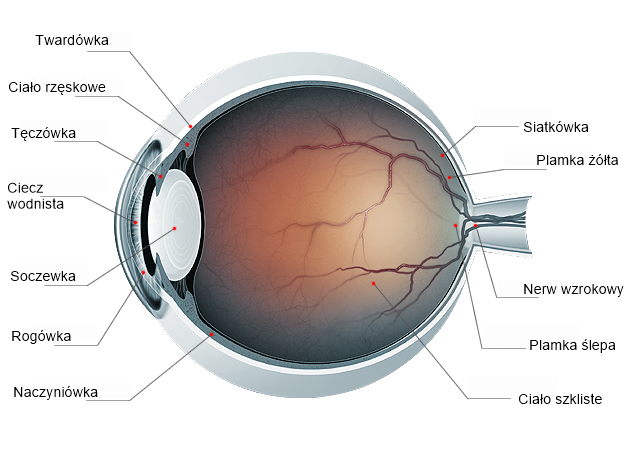
NL-Epithalon in the visual system
NL-Epithalon peptide therapy allows for the restoration, preservation, and protection of a properly functioning visual system. Additionally, it is a treatment that significantly reduces the occurrence of age-related diseases, specifically the gradual deterioration of vision. Summary: The visual system is...
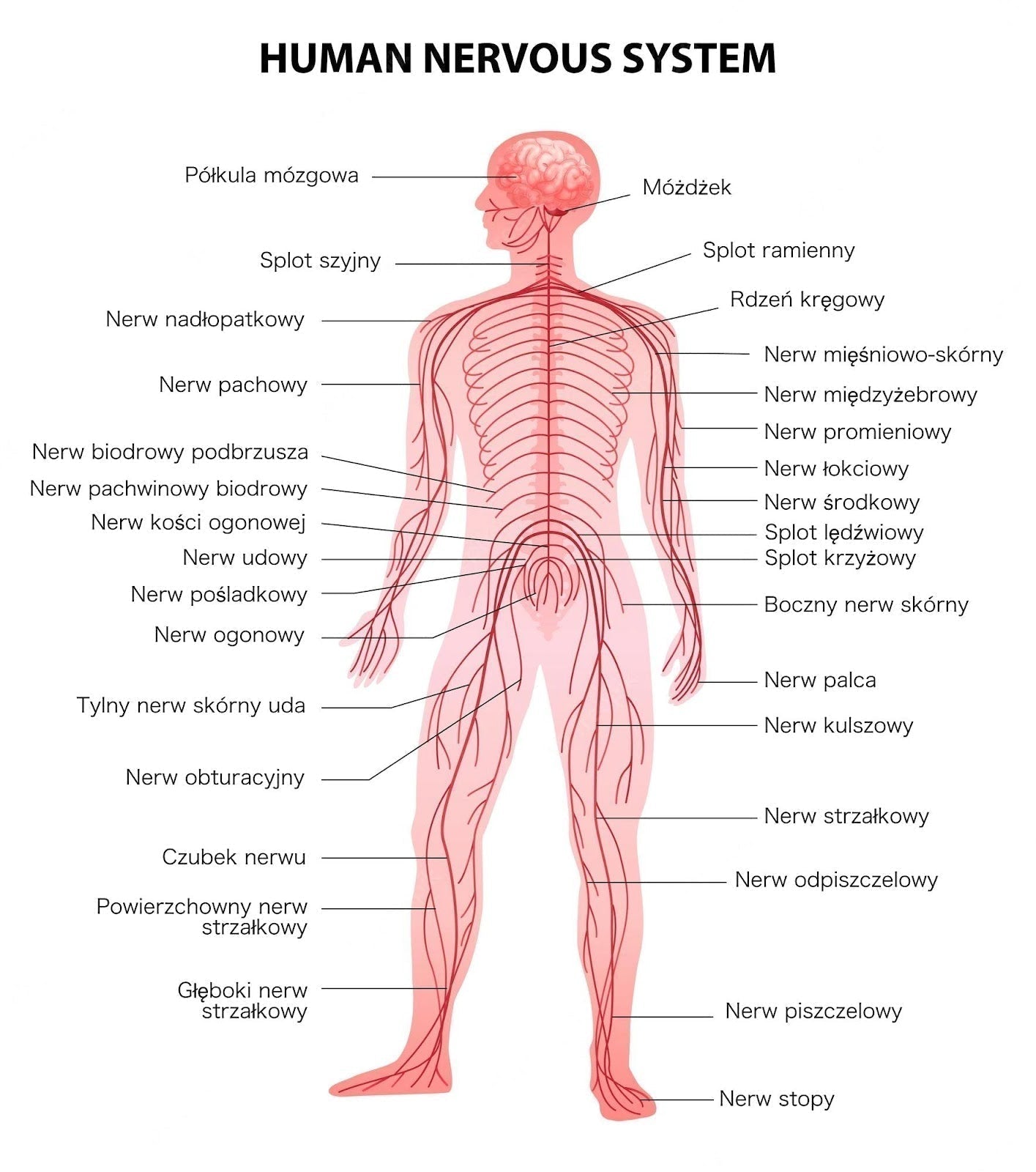
NL-GHK-Cu in the nervous system
Therapy with the NL-GHK-Cu peptide allows for the restoration, maintenance, and protection of a properly functioning nervous system. Additionally, it is a therapy that significantly reduces the occurrence of age-related diseases, specifically neurodegenerative diseases. Abstract: A properly functioning nervous system...
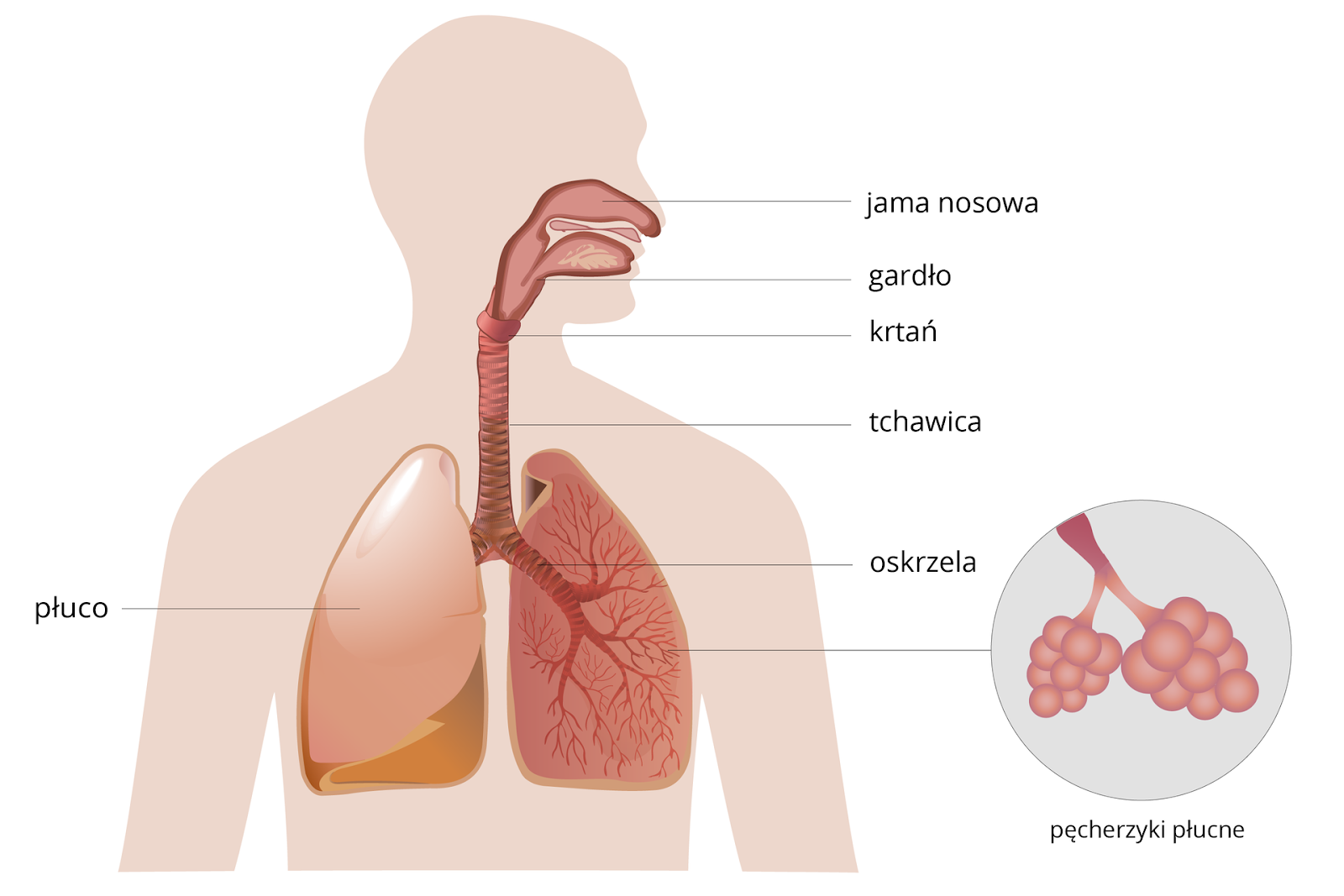
Therapy with the peptide NL-GHK-Cu during the occurrence of the most common lung diseases and injuries. The protective role of the peptide allowing the maintenance of a properly functioning respiratory system. Abstract: Almost half of the processes occurring in cells...
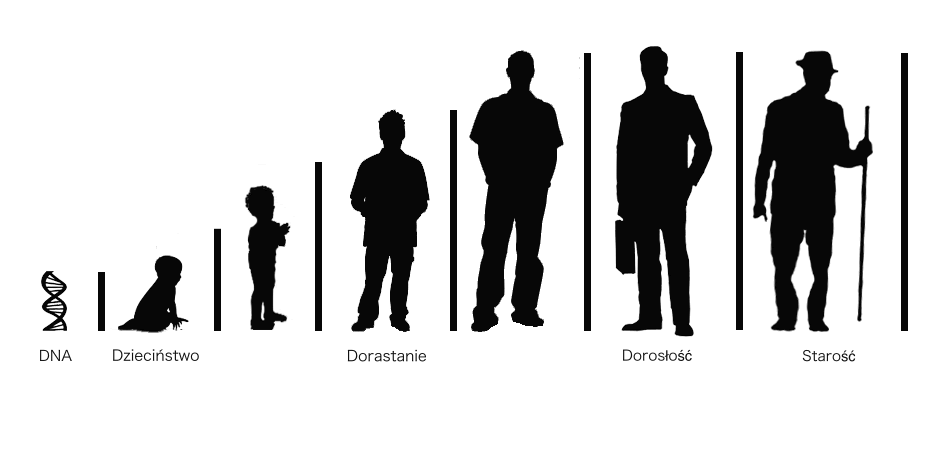
The anti-aging role of NL-Epithalon as a peptide ensuring longevity
Anti-aging action of the body. Peptide therapy eliminating age-related diseases and supporting longevity. Abstract: Epithalon, as a synthetic peptide that is an equivalent of the naturally occurring peptide epithalamin in the pineal gland, has broad properties that slow down the...
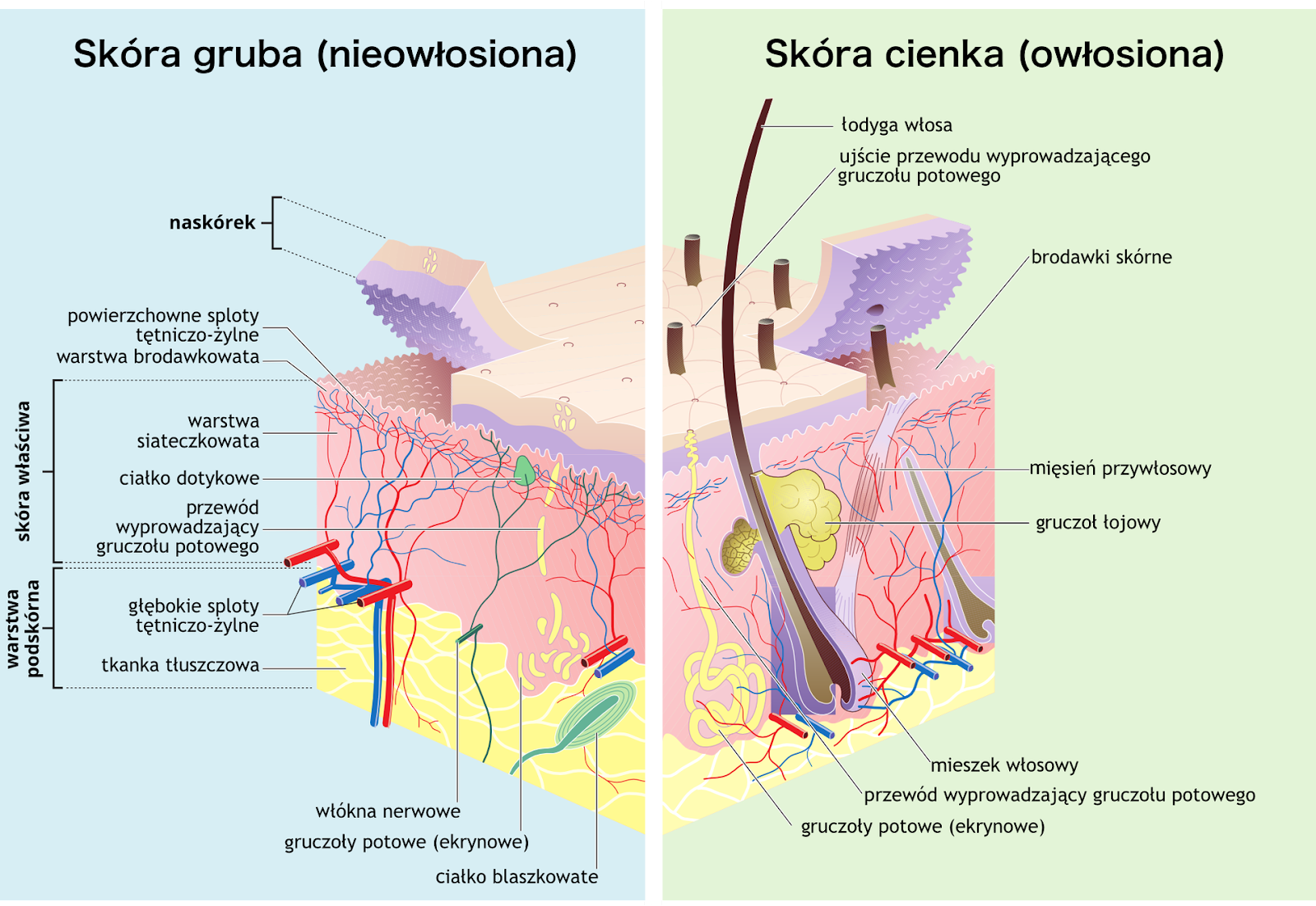
The role of NL-Epithalon in maintaining healthy, supple, and firm skin of the face and body.
Action restoring the proper condition of the skin, improving its firmness, elasticity, and hydration. Peptide therapy against skin abnormalities, including cellulite and wrinkles. Abstract: The use of Epithalon for skin care has strong foundations in modern scientific research. When Epithalon...
The role of Epithalon in restoring the proper circadian rhythm and improving sleep quality
Action restoring the balance of the circadian rhythm and improving the quality and duration of sleep. Peptide therapy against insomnia and disturbances in melatonin production. Abstract: Epithalon is a synthetic peptide created based on a natural peptide present in the pineal...
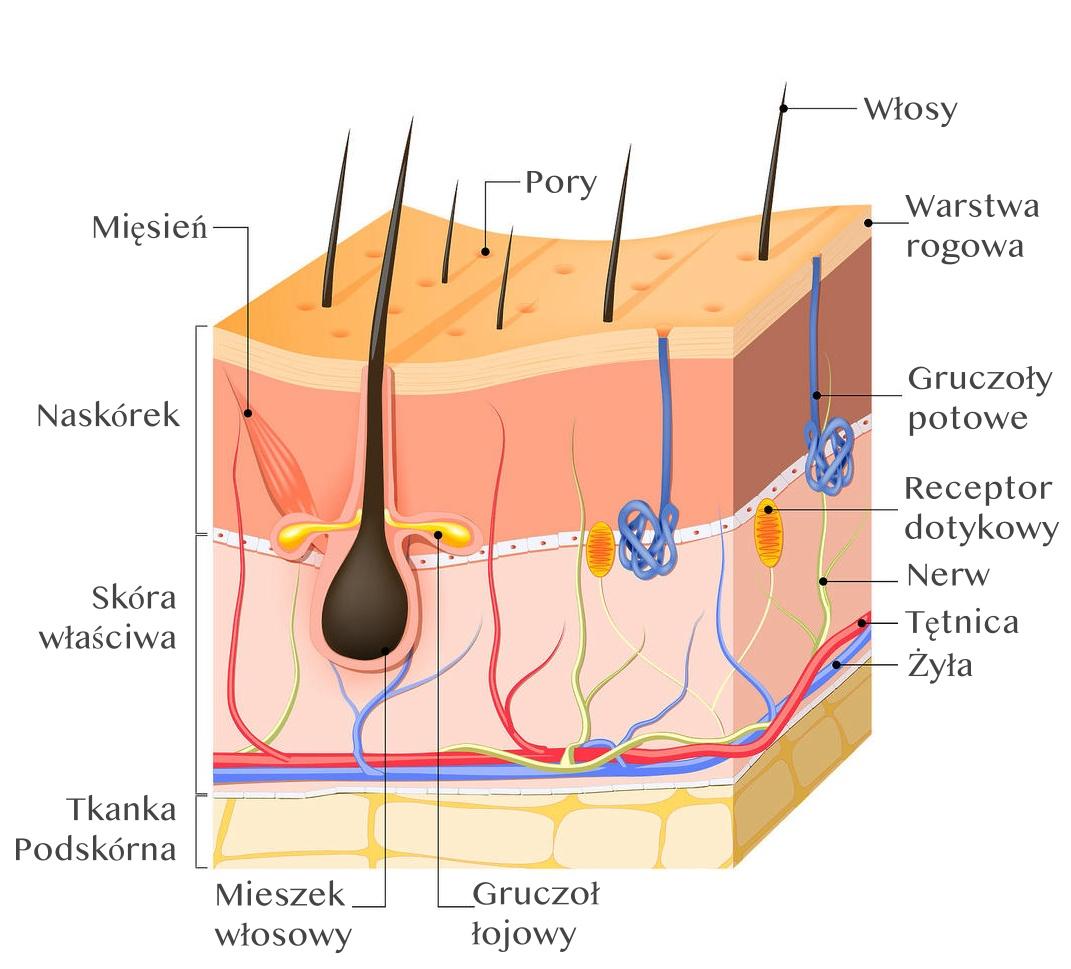
The role of the NL GHK-Cu peptide in the processes of skin and hair restoration and renewal
Działanie przeciwzmarszczkowe, przeciwstarzeniowe, ochronne i regeneracyjne dla skóry. Terapia peptydowa przeciw utracie i osłabieniu włosów. Streszczenie: NLGHK-Cu jako tripeptyd o sekwencji aminokwasowej glicylo-histydylo-lizyny jest naturalnie występującym tripeptydem w ludzkim osoczu. Uznawany za silny peptyd odbudowujący i regenerujący. Peptyd charakteryzuje się...
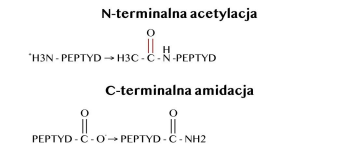
NL-PEPTIDES DELIVERY™ technology as an innovative method for producing next-generation peptides
Synthagen Laboratories NL-PEPTIDES DELIVERY™ technology as an innovative method for producing next-generation peptides Comparison of the action and durability of traditional peptides in relation to the innovative method of synthesis and oral delivery of peptides. Abstract: In practice, only a few...
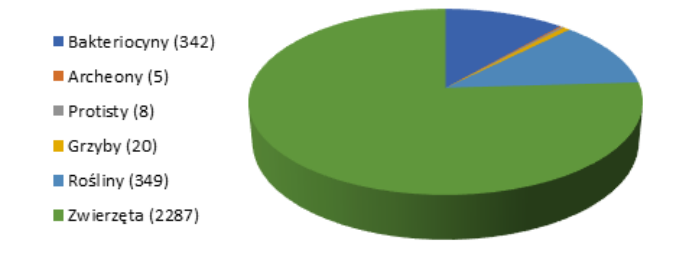
Peptides with antimicrobial properties and their analogs created through modification.
Summary: The observed increase in antibiotic resistance is currently one of the main challenges in modern medicine. Improper use and overuse of available preparations have significantly weakened their effectiveness due to the emergence of an increasing number of resistant microorganisms....