 English


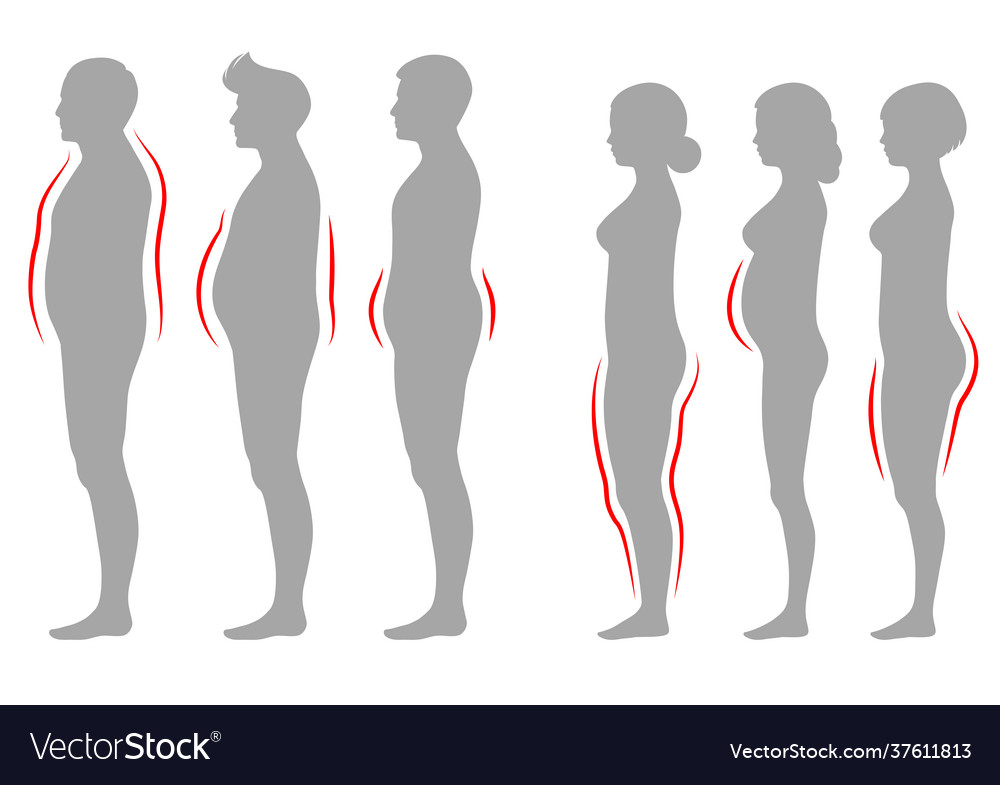
NL-Epithalon peptide therapy enables both the treatment of obesity in individuals affected by this condition and the prevention of its development, including by inhibiting the progression from overweight to obesity. Moreover, NL-Epithalon therapy helps prevent adverse health consequences commonly associated with obesity.
Abstract
Overweight and obesity represent some of the most serious health challenges of the modern world, primarily because they are associated with the development of severe systemic diseases such as type 2 diabetes, arterial hypertension, and cancer. Innovative therapy with NL-Epithalon offers the potential either to eliminate obesity or to prevent its development.
Keywords: NL-Epithalon; obesity; overweight; pathogenesis of obesity; types of obesity; android obesity; gynoid obesity; consequences of obesity; cancer; arterial hypertension; gastric reflux; fertility and pregnancy; peptide therapy
Introduction
Overweight and obesity have multifactorial causes, including increased consumption of processed foods, which are typically rich in hydrogenated fats and simple carbohydrates while being deficient in complex carbohydrates. Increasingly, mitochondrial mechanisms directly involved in cellular energy production are recognised as playing a role in the regulation of energy balance. Emotional factors also play a significant role in the development of overweight and obesity. Studies have demonstrated that depression, anxiety, and chronic life stress increase the likelihood of weight gain and progression to overweight and obesity through multiple, not yet fully elucidated mechanisms.
Current research indicates the potential application of NL-Epithalon in the control of overweight and obesity. In summary, available findings suggest that NL-Epithalon represents a promising novel peptide candidate for the management and prevention of overweight and obesity.
Obesity
Obesity is characterised by abnormal and excessive accumulation of adipose tissue. It largely results from excessive energy intake (a positive caloric balance) combined with a sedentary lifestyle sustained over time. Obesity may be secondary to other medical conditions (e.g. Cushing’s syndrome) or represent a side effect of certain medications (e.g. anticonvulsants). It is the outcome of multiple interacting factors, including genetic, behavioural, environmental, and social determinants.
Research shows that many individuals experiencing an early stage of overweight later progress to obesity. Obesity is defined as a condition in which adipose tissue constitutes more than 25% of total body mass in men and more than 30% in women.
Pathogenesis of Obesity
The aetiology of obesity is complex and multifactorial. It develops as a result of chronic disruption of energy balance and is sustained by excessive energy intake sufficient to meet the increased energy demands associated with obesity. Regulation of energy balance and fat storage is influenced by a complex interplay of biological factors (including genetic and epigenetic mechanisms), behavioural, social, and environmental factors, including chronic stress.
High-energy diets, large portion sizes, insufficient physical activity, sedentary lifestyles, and eating disorders constitute the primary risk factors for obesity development. These factors lead to adipose tissue changes such as adipocyte hypertrophy and hyperplasia, inflammatory alterations, and altered secretion of adipocytokines.
Types of Obesity
Upper-body (android) obesity
This type is directly associated with excessive food intake and low levels of physical activity. Known as “apple-shaped” obesity, it is characterised by fat accumulation in the abdominal region and is associated with a higher risk of comorbidities such as arterial hypertension, diabetes, and coronary artery disease. It occurs predominantly in men but is also observed in postmenopausal women.
Abdominal (android) fat distribution
This form of obesity is most likely linked to excessive stress, depression, and emotional tension.
Lower-body (gynoid) obesity
Gynoid obesity is characterised by excessive fat accumulation in the hips, thighs, and buttocks. Also referred to as gluteofemoral obesity, it occurs more frequently in women.
Anterior trunk fat accumulation (android obesity)
This type presents as abdominal distension, commonly referred to as a “beer belly.” It is most frequently observed in individuals who consume large amounts of alcohol, although it may also be associated with respiratory system disorders.
Lower-body obesity involving the legs (gynoid)
This form is often observed in pregnant women and women after childbirth, where the legs may appear swollen and heavy.
Abdominal and upper-back fat accumulation (android obesity)
Similar to the first type, this condition is primarily related to insufficient physical activity and may also be associated with impaired glucose metabolism.
Consequences of Obesity
Arterial hypertension
Overweight and obesity are among the major modifiable risk factors for arterial hypertension. Weight reduction correlates with a decrease in blood pressure and is therefore a cornerstone not only of hypertension treatment but also of prevention.
Cancer
Obesity is associated with an increased risk of numerous cancers, including those of the kidneys, colon, bile ducts, and pancreas. Chronic inflammation related to obesity contributes to DNA damage, thereby increasing carcinogenic risk. Adipose tissue, recognised as an endocrine organ, produces large amounts of oestrogen, elevated levels of which are associated with increased risks of breast, endometrial, and ovarian cancers.
Gastro-oesophageal reflux
Gastro-oesophageal reflux disease develops due to anatomical and functional changes in the oesophagus and stomach. Impaired oesophageal motility, reduced lower oesophageal sphincter pressure, prolonged sphincter relaxation, hiatal hernia, increased intragastric pressure, delayed gastric emptying, and impaired oesophageal clearance contribute to reflux development in individuals with obesity.
Fertility and pregnancy
Obesity can significantly impair reproductive capacity, particularly in women. It is a well-established risk factor for female infertility, leading to menstrual and ovulatory disorders, difficulties conceiving, and increased miscarriage risk. Women with obesity face higher risks of miscarriage, perinatal complications, and difficulties achieving pregnancy, including via in vitro fertilisation.
NL-Epithalon in Obesity Management
NL-Epithalon peptide exerts its effects by regulating food intake and improving lipid metabolism. It also reduces intestinal fat absorption through inhibition of pancreatic lipases. Due to its capacity to bind large quantities of lipids, the peptide is not digested and is excreted from the body together with bound fats. Consequently, it reduces the amount of dietary fat absorbed and lowers caloric intake. Additionally, NL-Epithalon limits the absorption of dietary cholesterol.
Through these mechanisms, NL-Epithalon supports weight reduction and body-weight control. For optimal outcomes, its use should be combined with regular physical activity and a balanced, healthy diet. In obesity management, NL-Epithalon should be administered systematically and in recommended doses.
References
- Gewehr MCF, Silverio R, Rosa-Neto JC, Lira FS, Reckziegel P, Ferro ES. Peptides from Natural or Rationally Designed Sources Can Be Used in Overweight, Obesity, and Type 2 Diabetes Therapies. Molecules. 2020;25(5):1093. doi:10.3390/molecules25051093
- Olszanecka M, Godycki M, Lukas W. Principles of management of overweight and obesity in family practice. Guidelines of the College of Family Physicians in Poland, Polish Society of Family Medicine, and Polish Association for the Study of Obesity. Family Physician – Special Issue, 2017.


Taking NL-PEPTIDES
Taking NL-PEPTIDES