 English



Wound healing is a biological process that involves the repair of damaged tissue. Although it may seem straightforward in theory, in practice it is a complex mechanism that requires appropriate conditions to proceed properly. Unfortunately, with age the wound-healing process may take longer. Why does this happen?
In this article you will learn:
- healing time depending on the type of wound,
- other factors that affect healing time,
- the role of nutrition and supplementation,
- an evidence-based approach to faster recovery.
How long does a wound take to heal?
The wound-healing process depends on many factors, including the type of wound, its location, overall health status, age, and the quality of wound care. The time required for complete healing can vary substantially. Below is a general timeframe:
- Minor cuts and superficial incisions: These relatively small and surface-level wounds typically heal within 7-10 days. They heal quickly because they do not require deep tissue regeneration, and the body can rapidly “fill in” the damaged area.
- Deeper wounds or postoperative wounds: Deeper wounds require a longer regenerative process. They usually take from several weeks up to around 8 weeks to heal; however, depending on the extent of the injury, healing may take several months.
- Complete tissue remodeling (scar maturation): Even after a wound has closed and appears healed, full tissue remodeling may continue for a longer period. Full strengthening of newly formed tissue (scar tissue) takes from several months up to 2 years. During this time, the scar becomes progressively more elastic and less visible, although it never fully reaches the functional properties of healthy skin.
Key factors influencing wound-healing time
Wound healing does not occur in isolation—many variables can accelerate or slow regeneration. Understanding these factors is essential for supporting the body during recovery.
Type of wound
The type of wound strongly determines the rate of healing. Small, clean incisions heal the fastest because they are less complex to repair. In contrast, lacerations, torn wounds, or crush injuries are more complicated due to greater tissue damage and a more complex repair process. Infections and chronic wounds (e.g., ulcers) require significantly more time to heal because the body must contend with additional challenges such as ongoing infection, which delays regeneration.
Wound care
Appropriate wound care is critical for accelerating healing. Regular disinfection and dressing changes are basic measures that help prevent infection and promote recovery. A moist wound environment supports healing by enabling better cellular regeneration and faster formation of new tissue. The use of suitable antiseptics and topical agents that support healing may further enhance the regenerative process, particularly for deeper wounds.
Wound size and location
Wound size also matters: larger wounds require more time to regenerate. In addition, wound location influences healing time. Wounds in areas exposed to continuous movement (e.g., near joints) may take longer to heal because daily motion can slow repair or even cause the wound to reopen.
How do proper nutrition and supplementation support wound healing?
An appropriate diet and supplementation play a major role in effective wound healing. The body requires adequate “building blocks” to rebuild damaged tissue. Nutritional deficiencies can markedly slow healing and contribute to the development of cosmetically unfavorable scars.
Core nutrients for tissue regeneration
As requested, the list of key nutrients supporting tissue regeneration has been converted into a clear table.
| Nutrient | Role in wound healing and regeneration |
|---|---|
| Protein | Primary building block of tissues (skin, muscles, collagen). Deficiency delays the healing process. |
| Vitamin C | Essential for collagen synthesis, acts as a potent antioxidant, supports immune function. |
| Vitamin A | Important for cell differentiation and immune processes; crucial for maintaining skin integrity. |
| Zinc | Required for cell division, protein synthesis, and proper immune system function. Supports wound healing. |
| B vitamins | Support energy metabolism and cellular regeneration. |
| Antioxidants (e.g., vitamin E, selenium) | Protect cells from oxidative stress, which is particularly important during the inflammatory phase. |
NL-GHK-CU – Faster healing, reduced scarring, improved regeneration
NL-GHK-CU is our innovative supplement designed to accelerate tissue regeneration and support healing after injury, medical procedures, or other forms of skin damage. Through a unique combination of GHK—a naturally occurring tripeptide and copper ions, our product activates the body’s endogenous repair mechanisms, promoting faster regeneration of the skin and other tissues.
Due to its scar-reducing and anti-inflammatory properties, the GHK-Cu peptide provides comprehensive support by promoting the production of collagen and elastin—two fundamental proteins required for tissue reconstruction. These processes are particularly important in wound treatment and improving skin appearance, as well as in hair and other tissue regeneration, making it a versatile supplement with broad activity.
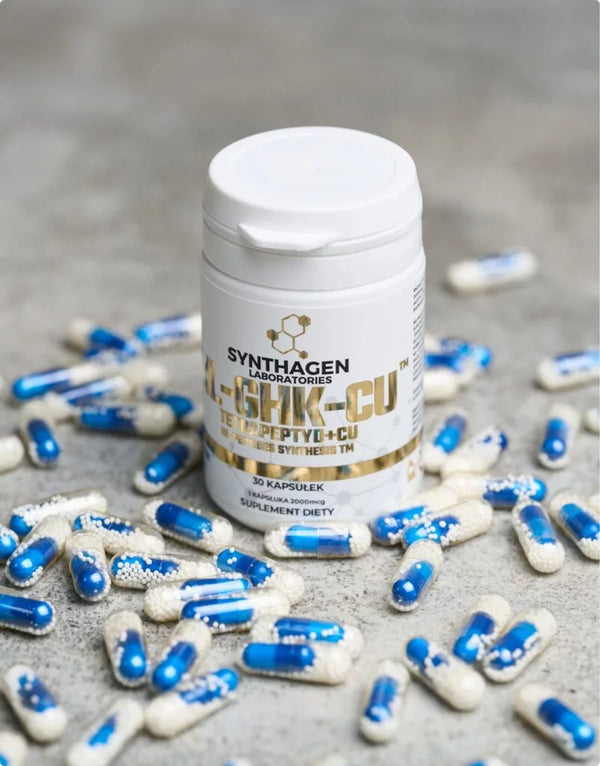
NL-GHK-CU is a research-tested product that can serve as meaningful support in wound healing and regeneration, particularly when combined with an appropriate diet. If your goal is faster wound closure, scar reduction, and improved skin condition, it may be beneficial to include our supplement in your daily regimen. By doing so, you support the body’s natural repair mechanisms, accelerating regeneration and shortening healing time.
Summary
With age, wound healing may become significantly slower due to reduced regenerative capacity. Proper wound care, a healthy diet, regular physical activity, and appropriate supplementation are crucial for supporting and accelerating this process. It is important to remember that every wound requires an individualized approach, and deeper or more complex wounds may require specialized medical care.
FAQ – Frequently asked questions about wound healing and scarring
1. How long does a wound take to heal?
Healing time depends on wound type and depth. Minor incisions typically heal within 7–10 days, whereas deeper or postoperative wounds may require several weeks up to around 8 weeks. The process of tissue remodeling and scar maturation can continue for up to 2 years before the tissue reaches its maximal strength. Healing time may be prolonged depending on overall health, wound care practices, and wound location.
2. What accelerates wound healing?
Multiple factors influence healing. Proper wound care—including regular disinfection, dressing changes, and maintaining a moist wound environment—supports faster regeneration. A diet rich in vitamins, minerals, and protein, as well as appropriate supplementation (e.g., whey protein, vitamin C, zinc), can also promote more efficient healing. Additionally, an active lifestyle and stress reduction positively affect overall recovery.
3. Does age affect wound-healing time?
Yes. Age has a significant impact on healing time. With increasing age, the body loses some regenerative capacity, which can prolong wound healing. In older adults, slower production of collagen and elastin (proteins essential for skin regeneration) may extend recovery time. Moreover, chronic diseases, impaired circulation, or reduced immune function can further slow regeneration.
4. Can supplements such as NL-GHK-CU help with wound healing?
Yes. NL-GHK-CU is an innovative supplement that supports wound healing. By combining GHK with copper ions, it promotes the production of collagen and elastin, which are critical for tissue regeneration. GHK also supports scar reduction and mitigation of inflammation, which can accelerate the overall healing process. Incorporating NL-GHK-CU into a daily regimen may meaningfully support regeneration of the skin, hair, and other tissues after injuries or procedures.
5. When is it worth using supplements that support wound healing?
Wound-healing supplements such as NL-GHK-CU may be particularly useful during recovery after surgery, injuries, or trauma that require prolonged regeneration. Supplementation can support faster tissue rebuilding and reduce scar visibility. If a wound is deep or slow to heal, it is also advisable to consult a physician to select an appropriate supplementation strategy and treatment approach.
6. Do supplements support wound healing in older adults?
Yes. Supplements (such as NL-GHK-CU) may be especially helpful for older adults, in whom healing naturally takes longer. Thanks to its unique formula combining GHK and copper ions, this supplement supports regeneration of the skin, hair, and other tissues, and stimulates collagen and elastin production. Supplementation may help accelerate healing and reduce the risk of scarring, which is particularly important in older individuals with slower regeneration.


Morning Brain Fog – Where Does It Come From and How Can You Manage It?
Biological processes behind hair loss