 English


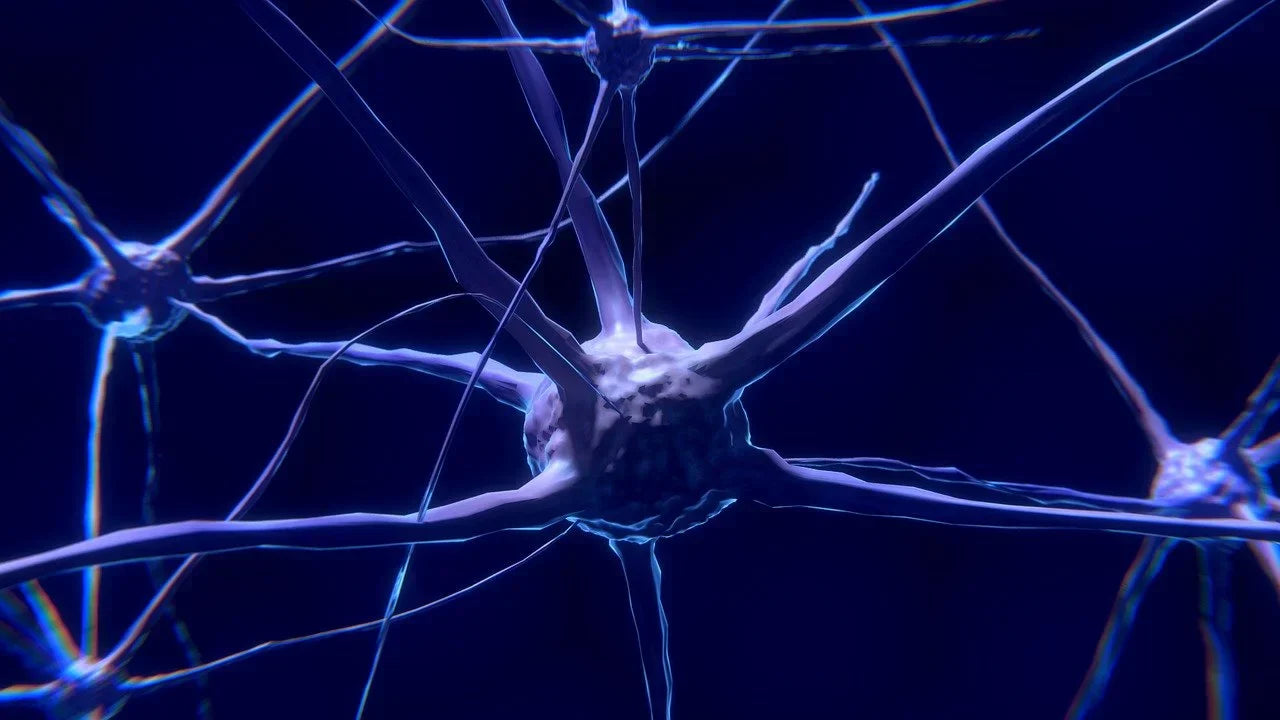
Abstract: The BPC-157 peptide acts directly on the nervous system, showing both neuroprotective and antidepressant effects. Its broad spectrum of action is applied, among others, in neurotransmission.
Keywords: · BPC-157, · nervous system, · cuprizone, · toxin, · reserpine, · GABA, · serotonergic transmission, · depression
List of abbreviations:BPC - Body Protection Compound; GABA- gamma-aminobutyric acid; MTPT- prodrug of the neurotoxin MPP
Materials and methods: The studies were conducted on laboratory animals, in this case rats.
Experimental aspect of BPC-157 action on the nervous system
Study 1
Material
The study was conducted on rats using the cuprizone toxin, which allows the achievement of disease symptoms similar to those occurring in multiple sclerosis or schizophrenia.
Course of the study
The BPC-157 peptide was administered to rats in drinking water or by injections, combined with the cuprizone toxin.
Result
Oral intake of BPC-157, approximately 10 µg/kg (0.16 µg/ml in water), shows effective action similar to injectable administration at doses of 10 ng/kg and 10 µg/kg. It exhibits this effect in the presence of the cuprizone toxin, which can cause neuron damage, including demyelination leading to the breakdown of myelin sheaths in the central or peripheral nervous system, without the need to reach the brain.
Conclusions
BPC-157, both in the form of a stable oral salt and injectable form, shows a protective effect on brain tissue.
Study 2
Material
The study was conducted on rats using the neurotoxins MPTP and reserpine, which are used to induce a model of Parkinson's disease.
Course of the study
Rats were administered the BPC-157 peptide subcutaneously in the presence of the neurotoxins MPTP and reserpine. Results The effect of MPTP and reserpine toxins in the presence of the BPC-157 peptide was significantly reduced. The range is shown in the graphs below.
Figure 2. The level of MPTP and reserpine toxins ranges from 0-140, shown as high in the case of Parkinson's disease. When the BPC-157 peptide is involved in the action of the toxins, their level is reduced and falls within the range of 0-60.
Conclusions
As a result of the above study, BPC-157 shows an effect that minimizes the symptoms of Parkinson's disease, a neurodegenerative disease that hinders proper functioning of the body.
Theoretical aspect of BPC-157 action on the nervous system
Characteristics of nootropic drugs
Nootropic drugs belong to a group of medications that are intended to have therapeutic effects by improving cognitive functions, such as enhancing memory or concentration and attention. Medicinal substances in this group may increase motivation or influence the improvement of motor functions. Nootropic substances include both synthetic and natural preparations. The list of substances recognized as nootropics is constantly changing; some preparations are removed from it while others are added. The peptide BPC-157 exhibits nootropic abilities as a neuroprotective agent.
Neuroprotective action of BPC-157
The studies presented above allow the classification of the peptide BPC-157, both in oral and injectable forms, as a neuroprotective agent. Research has shown the action of the peptide BPC-157 as a substance that protects brain tissue and reduces symptoms of nervous system diseases. Furthermore, other laboratory experiments allow conclusions about other therapeutic effects of the peptide, such as nerve cell regeneration, protective action during drug withdrawal syndrome, and even in the case of seizures occurring with their excessive intake.
The effect of BPC-157 on the GABA system
Characteristics of GABA
GABA, or gamma-aminobutyric acid, is one of the main neurotransmitters. Due to its chemical structure, it is classified as an amino acid. Proper functioning of GABA is associated with the action of two main receptors, ionotropic GABA-A and metabotropic GABA-B. In the human body, the neurotransmitter GABA is responsible for the proper functioning of the nervous system by inhibiting its excessive excitation. The conclusion from such a spectrum of action is that both its deficiency and excess lead to nervous system disorders, which is why maintaining its proper level is so important. Other functions of the neurotransmitter GABA include proper functioning during the body's rest phase in sleep, helping to focus attention while preventing distraction. It allows the body to calm down, thereby eliminating stress and stimulating the production and secretion of growth hormone from the pituitary gland. BPC-157 and its impact on GABA The peptide BPC-157 has a direct effect on the regeneration of the GABA system, while simultaneously accelerating the return to homeostasis after addiction or abuse of drugs and substances that directly damage the GABA system. For example, with benzodiazepines, specifically diazepam, it has been observed that simultaneous administration with the peptide BPC-157 leads to, among other things, a reduction in the development of drug tolerance, improved drug efficacy, and also allows for the maintenance of homeostasis of the GABA receptor complex. The GABA receptor is shown in the diagram.
Serotonergic transmission in the experimental aspect
Material
The study was conducted on rats regarding involvement in the serotonergic system, in relation to the possible brain-gut axis, due to the action of BPC-157 in both areas.
Course of the study
The peptide BPC-157 was administered to rats by subcutaneous injection at a dose of 10 µg/kg along with serotonin administration. The study was conducted for 40 minutes daily over a period of one week. Results Results were visible in several brain areas, including the substantia nigra of the midbrain and the medial anterior olfactory nucleus, with a simultaneous decrease in the hypothalamus, ventral and dorsal hippocampus, and dorsal thalamus. Serotonin synthesis was increased; the increase in serotonin synthesis in the substantia nigra persisted in the reticular and compact parts during weekly administration. With a single administration, the decrease in serotonin synthesis was not maintained.
Conclusions
BPC-157 exhibits antidepressant effects resulting from interaction with the serotonin system. Neuroprotective and antidepressant effects of BPC-157. The influence of BPC-157 on brain function.
Serotonergic transmission in the theoretical aspect
The concept of serotonin syndrome
Serotonin syndrome is a condition directly threatening proper functioning and life. It is an undesirable side effect of pharmacotherapy, characterized by symptoms such as changes in mental state, autonomic disturbances, or neuromuscular disorders. This syndrome is most often associated with pain pharmacotherapy that can enhance serotonergic transmission.
Serotonergic transmission with BPC-157
According to the above studies, it can be observed that peripherally administered BPC-157 has the ability to cross the blood-brain barrier. The peptide administered together with serotonin allows bypassing the stage of serotonin syndrome, which directly affects the nervous system and depressive states.
Depression and BPC-157 in the experimental aspect
Material
The study was conducted on rats during the forced swim test (Porsolt test).
Course of the study
Rats were placed in a cylindrical container filled with water for 15 minutes. After 24 hours from the first trial, a second trial is performed by placing the animal in the same container, but for 5 minutes. During this time, the duration of immobility of the animal is observed. Immobilization of the animal corresponds to depressive states in humans. Simultaneously, during the forced swim test, the rat was administered BPC-157 intraperitoneally. Neuroprotective and antidepressant effects of BPC-157. The influence of BPC-157 on brain function.
Results
Both at doses of 10 ng/kg and 10 µg/kg, BPC-157 acts statistically equally with the active controls of both groups, with imipramine (15 mg and 30 mg) and with nialamide (20 mg and 40 mg), acting better than the control group. The effect of BPC-157 along with different doses of imipramine and nialamide.
Conclusions
BPC-157 shows protective effects in the case of stress and exhibits antidepressant effects according to conducted studies.
Depression and BPC-157 in the theoretical aspect
Pathomechanism of depressive disorders
Depressive disorder belongs to a group of heterogeneous diseases caused by biological, psychological, genetic, or social factors. A number of neurotransmitter or metabolic pathways contribute to the nervous system disorder known as depression. Theories of depressive disorders include the monoaminergic, neurotrophic, glucocorticosteroid, glutaminergic, inflammatory, and cytokine theories.
Antidepressant effect of BPC-157
Considering the above studies, it can be concluded that the peptide BPC-157 acts similarly to antidepressant drugs, helping in the proper functioning of the body during low mood, mood disorders, or moments of hesitation.
Bibliography
- Gjurasin M, Miklic P, Zupancic B, Perovic D, Zarkovic K, Brcic L, Peptide therapy with pentadecapeptide BPC 157 in traumatic nerve injury. Regul Pept. 2010; 160(1-3):33-41.
- Sikiric P, Separovic J, Buljat G, Anic T, Stancic-Rokotov D, Mikus D, The antidepressant effect of an antiulcer pentadecapeptide BPC 157 in Porsolt’s test and chronic unpredictable stress in rats. A comparison with antidepressants. J Physiol Paris. 2000 ;94(2):99-104.
- Jembrek M.J., Vlainic J, GABA receptors: pharmacological potential and pitfalls. Current Pharm 2015; 21(34):4943–4959. DOI: 10.2174/1381612821666150914121624.
- Sikiric P, Seiwetht S, Ruckman R, Brain-gut Axis and Pentadecapeptide BPC 157: Theoretical and Practical Implication. Current Neuropharmacology 2016. DOI: 10.2174/1570159X13666160502153022.
- Blagic A, Blagic V, Mirt M, Jelovac N, Dodig G, Gastric pentadecapeptide BPC 157 effective against serotonin syndrome in rats. 2005; 11; 512(2-3):173-9. DOI: 10.1016/j.ejphar.2005.02.033.
- Sikric P, Seiwerth S, Brain-gut Axis and Pentadecapeptide BPC 157: Theoretical and Practical Implications. 2016; 14(8): 857–865. DOI: 10.2174/1570159X13666160502153 022.
- Clic A, Zemba M, Belenowic I, Pentadecapeptide BPC 157 counteracts L-NAME-induced catalepsy. BPC 157, L-NAME, L-arginine, NO-relation, in the suited rat acute and chronic models resembling ‘positive-like’ symptoms of schizophrenia. Behavioural Brain Research 2016; 423: 56-132. DOI: 10.1016/j.bbr.2020.112919.
- N Jelovac, P Sikiric, R Rucman, M Petek, D Perovic, A Marovic, T Anic, S Seiwerth, S Mise, B Pigac, B Duplancie, B Turkovic, G Dodig, I Prkacin, D Stancic-Rokotov, I Zoricic, G Aralica, B Sebecic, T Ziger, Z Slobodnjak, The effect of a novel pentadecapeptide BPC 157 on development of tolerance and physical dependence following repeated administration of diazepam. 1999; 30;42(3):171-9. PMID: 10707891.
- Tudor M, Jandric I, Marovic A, Traumatic brain injury in mice and pentadecapeptide BPC 157 effect. 2010; 25;160(1-3):26-32. DOI: 10.1016/j.regpep.2009.11.012.



The natural role of amino acids, proteins, and peptides in the proper functioning and renewal of the body
Injuries in powerlifting