 English


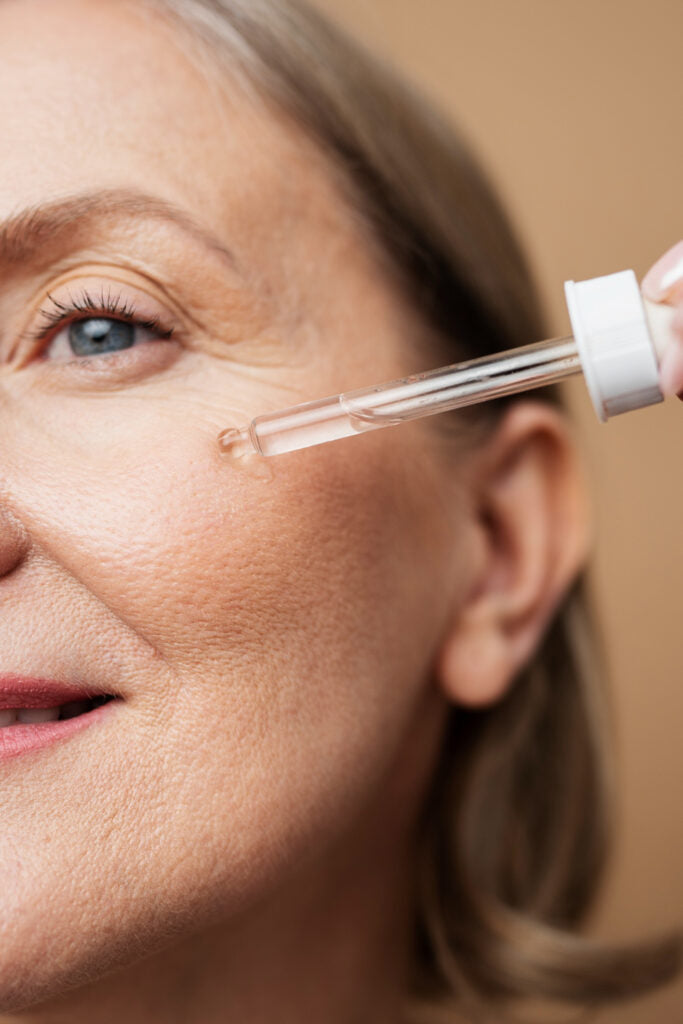
Peptides are becoming an increasingly popular adjunct in supporting health, regeneration, and improving skin condition. They have gained recognition among both aesthetic medicine professionals and proponents of a healthy lifestyle. Although the benefits of peptide use can be significant, it should be noted that their application may be associated with certain adverse effects. In this article, we analyze the potential risks related to peptide use in order to help you make an informed decision regarding their application.
What are peptides and how do they work?
Peptides are short chains of amino acids that play a key role in biological processes within the body. Their effects depend on their structure and intended use.
- They support tissue regeneration and improve skin condition.
- They stimulate collagen production, contributing to the reduction of wrinkles.
- They regulate metabolic processes, helping to maintain overall health.
Their effectiveness results from their ability to interact precisely with specific receptors in the body. However, this targeted activity may sometimes lead to adverse effects when the body responds in an unexpected manner.
Side effects of peptide use: what should be considered?
Although peptides are generally regarded as safe, their use may lead to certain undesirable effects. The most common adverse events include skin reactions, such as redness, itching, or swelling at the injection site. For many individuals, these symptoms are transient; however, in some cases, medical consultation may be required.
Another frequent issue is an allergic reaction, which may manifest as urticaria, breathing difficulties, or facial swelling. In such situations, immediate medical attention is essential. Additionally, peptides may influence hormonal balance, which in rare cases can lead to disturbances in glandular function.
Does peptide use affect the hormonal system?
One of the more serious potential side effects of peptide use is interference with the hormonal system. Certain peptides, particularly those used to stimulate growth hormone (GH) secretion, may lead to excessive activation of endocrine glands. Early symptoms of hormonal imbalance may include fatigue, excessive sweating, or sleep disturbances.
Long-term peptide use may also affect insulin levels, which is particularly relevant for individuals at risk of diabetes. To minimize the risk of hormonal disturbances, consultation with a healthcare professional prior to initiating supplementation is strongly recommended. Regular medical check-ups help monitor health status and allow early detection of potential complications.
Effects on the immune system
Some peptides may influence the immune system, exerting either beneficial or adverse effects. Immune stimulation can occasionally result in unpredictable outcomes. One potential issue is excessive autoimmune activity, in which the body attacks its own tissues, manifesting as joint pain, fatigue, and inflammatory states.
Conversely, certain peptides may suppress immune responses, thereby increasing susceptibility to infections. For this reason, peptides should be used cautiously and at appropriate doses, preferably under professional supervision.
Potential interactions with other substances
Peptide use may also involve the risk of interactions with other supplements or medications. Certain peptides can interact with drugs used in the treatment of chronic conditions, potentially affecting their efficacy or safety. Particular attention should be paid to the increased risk of adverse effects when multiple preparations are used concurrently.
For example, combining peptides with antidiabetic medications may result in hypoglycemia. Similarly, interactions with immunosuppressive agents may elevate the risk of infections. To avoid such complications, it is recommended to discuss all supplements and medications with a physician or pharmacist. A healthcare professional can assess whether peptide use is appropriate and safe in a given individual case.
Summary
The use of peptides may offer numerous health and aesthetic benefits; however, it should never occur without awareness of potential adverse effects. Skin reactions, hormonal disturbances, immune system dysfunctions, and interactions with other substances are among the possible complications. To minimize risks, it is advisable to consult a healthcare professional, choose peptides from reputable manufacturers, and adhere strictly to recommended dosing guidelines. Remember that health is paramount, and informed decisions regarding supplementation are essential for achieving desired outcomes without unnecessary risk.


How can peptides improve your eyesight and prevent eye diseases?
Peptides - how often can they be used?