 English


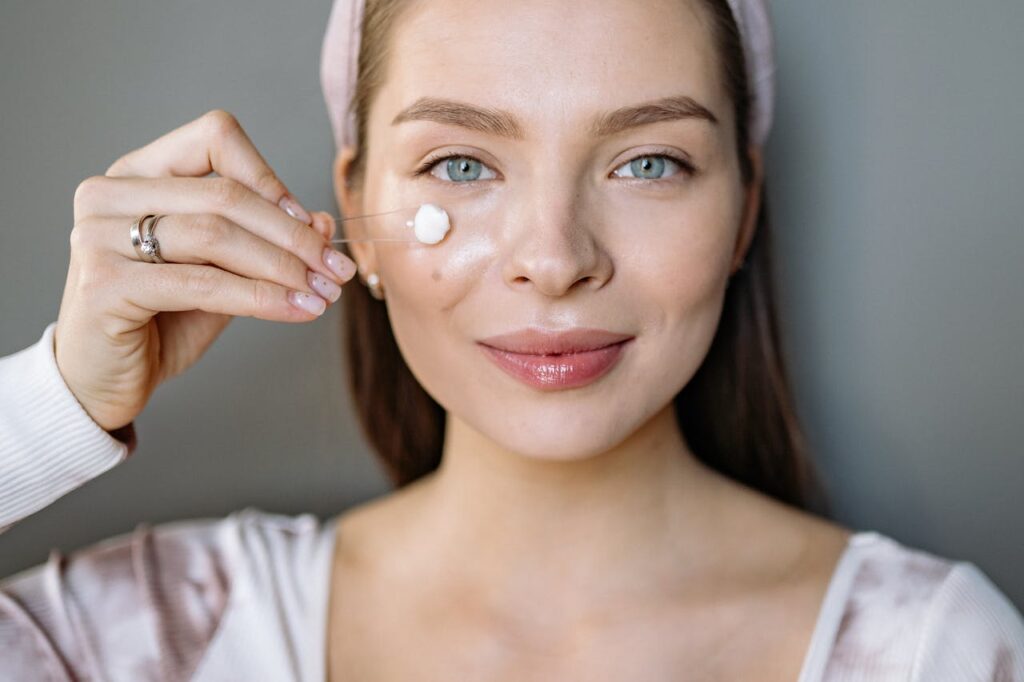
Discolouration and uneven skin tone are problems that many people struggle with, regardless of age or skin type. They are often the result of excess melanin production, sun damage, inflammation or hormonal imbalances. Traditional methods of combating discolouration, such as the use of strong chemicals or aggressive exfoliants, do not always produce the desired results and can irritate the skin. In recent years, peptides – natural compounds that support skin regeneration at the cellular level and allow for effective and safe treatment of discolouration and uneven skin tone – have been gaining in importance. Peptides are short chains of amino acids that act as communicators between skin cells. This allows them to precisely regulate metabolic processes, influencing melanin production, collagen stimulation and inflammation relief. As a result, the skin becomes more uniform, radiant and healthy. What is more, peptides are very gentle, making them ideal even for people with sensitive or irritation-prone skin.
How do peptides affect skin discolouration?
Peptides work in many ways, and their effect on skin discolouration can be described in several key aspects. First of all, they inhibit the excessive production of melanin, the pigment responsible for the formation of discolouration. This is because some peptides act directly on melanocytes, the cells that produce melanin, by inhibiting the enzyme tyrosinase, which is essential for pigment production. As a result, the intensity of existing spots is reduced and the formation of new ones is prevented. The second important aspect is the ability of peptides to accelerate epidermal renewal. By stimulating the growth of new, healthy cells and improving the keratinisation process, peptides help in the natural exfoliation of the skin and the removal of discoloured layers. This evens out the skin tone and makes its surface smoother. Peptides also support the synthesis of collagen and elastin, key structural proteins in the skin. By improving skin elasticity and tone, they help combat the signs of ageing that often accompany pigmentation problems. In addition, peptides have anti-inflammatory and antioxidant properties that protect the skin from further damage and the intensification of discolouration.

Benefits of using peptides in the treatment of hyperpigmentation:
- Inhibition of melanin production, which reduces the intensity of pigmentation spots
- Stimulation of cell renewal, which accelerates the exfoliation of hyperpigmentation
- Supporting collagen and elastin synthesis, improving skin structure and elasticity
- Anti-inflammatory and protective action, reducing the risk of new hyperpigmentation
Which peptides available on the SYNTHAGEN website are effective in combating discolouration?
We offer a wide range of peptides that have been specially selected for their effectiveness in improving skin condition, including combating discolouration and uneven skin tone. Below is a detailed table describing their properties and applications:
| Peptide name | Main action in relation to the skin | Use in cosmetology | Product characteristics |
| NL-BPC-157 | Strong regenerative and protective properties | Accelerates wound healing, reduces inflammation | Supports the repair of damaged tissues, soothes irritation |
| NL-EPITHALON | Extending cell life through telomerase stimulation | Delays the ageing process, improves cell renewal | Has antioxidant properties, increases skin immunity |
| NL-GHK-CU | Intensive anti-inflammatory and regenerative action | Reduction of redness, support for collagen production | Improves skin appearance, accelerates the healing process |
| NL-SELANK | Anxiolytic, neuroprotective action | Strengthens the skin's resistance to stress, soothes irritations | Stabilises skin functions, counteracts ageing |
| NL-SEMAX | Improvement of microcirculation and antioxidant activity | Supports skin functions and renewal | Strengthens the skin's resistance to environmental factors |
| NL-CORTAGEN | Reduction of inflammation and oxidative stress | Skin protection and regeneration | Strengthens the skin's protective barrier, improves skin condition |
How to use peptides for best results?
To effectively harness the potential of peptides in the fight against discolouration, several basic rules of application and care should be followed:
- Regularity and patience – peptides work at the cellular level, which takes time. Systematic use of the preparations for at least several weeks is necessary to see clear results.
- Optimal concentration and form of the product – choose products that contain peptides in the right concentration and are designed so that the active ingredient can penetrate deeper layers of the skin, e.g. serums, ampoules or essences.
- A comprehensive approach – peptides work best in combination with other brightening ingredients, such as vitamin C, niacinamide or AHA/BHA acids, which additionally support exfoliation and lightening of discolouration.
- Sun protection – using creams with a high SPF filter is essential to prevent new discolouration and protect the skin from harmful UV radiation.
Why choose peptides from SYNTHAGEN?
SYNTHAGEN has been specialising in supplying the highest quality active ingredients for modern and effective skin therapies for many years. Our peptides come from reputable manufacturers, are quality certified and dermatologically tested.
When you work with us, you can be sure that you are receiving products that:
- Are pure and chemically stable
- Have proven effectiveness
- Have been developed for different skin types and dermatological problems
- Are backed by expert advice and technical support
This allows you to select products precisely tailored to the individual needs of your skin and achieve optimal results in the fight against discolouration and uneven skin tone.
FAQ - frequently asked questions
- Are peptides suitable for sensitive and allergic skin?
Yes, peptides have soothing and regenerating properties, making them well tolerated by sensitive skin and minimising the risk of irritation. - How long do you need to use peptides to see results?
The first results can be seen after 4-6 weeks of regular use, but full improvement usually takes 3-6 months. - Can peptides be used together with acids and retinol?
Yes, peptides perfectly complement the action of acids and retinol, supporting regeneration and minimising irritation. - Do peptides only help with discolouration or also with other skin problems?
Peptides have a wide range of effects – in addition to reducing discolouration, they support skin regeneration, improve elasticity, and have anti-inflammatory and antioxidant properties.
If you want to effectively even out your skin tone and reduce discolouration, check out our range of SYNTHAGEN peptides and choose the product that perfectly suits your needs. Feel free to contact us – we will be happy to help you choose the right solutions and share our expertise!


Peptides in the treatment of chronic inflammatory and autoimmune conditions — a modern approach to treatment
Peptides and the body's hormonal balance – how do they affect hormone balance?