 English


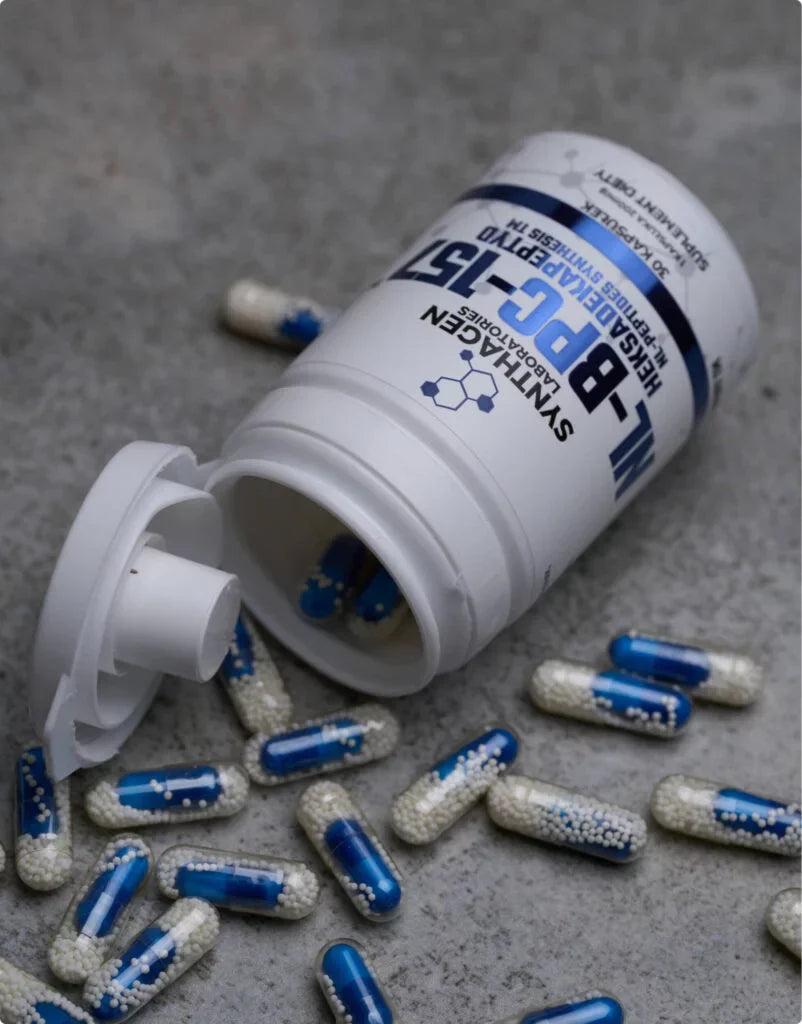
Maintaining a healthy weight is one of the most important challenges of modern lifestyle. Many people are looking for effective and safe methods to reduce excess weight. Peptides, as advanced bioactive compounds, are gaining popularity in the world of medicine and sports, including in the context of weight loss. But how can peptides contribute to weight loss? In this article, we will look at how peptides support the weight loss process and what effects they have on the body.
Peptides and weight loss: how do they work?
Peptides are short chains of amino acids that play a key role in regulating many physiological processes. One of their most important actions is to stimulate the production of hormones responsible for fat burning. For example, a peptide called GHRP-6 stimulates the release of growth hormone, which in turn speeds up metabolism, helping to reduce body fat.
Another aspect worth highlighting is the effect of peptides on insulin sensitivity. Peptides such as IGF-1 (insulin-like growth factor) improve the sensitivity of cells to insulin. As a result, glucose is used more efficiently by the body, which reduces fat storage and promotes healthy weight maintenance. High insulin sensitivity is crucial not only for people seeking to reduce their body weight, but also for those who want to avoid metabolic problems such as type 2 diabetes.
Some peptides, such as CJC-1295, act on the nervous system, suppressing appetite and reducing food cravings. This makes it easier for people using peptides to control their calorie intake, which is crucial in the weight loss process. In addition, these peptides can improve sleep quality, which is important because lack of sufficient sleep can lead to hormonal imbalances and weight gain.

Safety and side effects of peptide use
While peptides offer many benefits, it is important to keep safety in mind when using them. Peptides are bioactive substances and their use should be supervised by a specialist, especially in the context of weight loss. Although most peptides are well tolerated by the body, some may cause side effects such as headaches, changes in appetite, or skin reactions at the injection site.
One important aspect to consider is the dosage and form of peptide administration. Peptides can be administered in various forms, such as injections, tablets, or patches. Each form has its specific advantages and disadvantages, so it is important to tailor them to individual needs and goals. Proper dosage is key to minimizing the risk of side effects and achieving optimal results.
It is also worth noting that the effectiveness of peptides in weight loss depends on many factors, including lifestyle, diet, and physical activity. Peptides can be an effective support in the process of weight reduction, but they cannot replace healthy habits. A balanced diet and regular physical activity are indispensable elements in the fight for a healthy figure.

Summary: Are peptides right for you?
Peptides are a promising option for people seeking to lose weight and maintain a healthy weight. By stimulating hormone production, improving insulin sensitivity, and regulating appetite, peptides can support the weight loss process in an effective and safe manner. However, it is important that the use of peptides is well thought out and consulted with a specialist.
Peptides are not a magic solution to weight problems, but they are an effective tool that, when combined with a proper diet and lifestyle, can bring lasting results. If you are considering incorporating peptides into your weight loss strategy, it is worth consulting your doctor or a nutritionist to make sure that this is the right option for you.


Tips for safe and effective use of peptides
Can peptides reduce the risk of heart disease?