 English

Abstract: The BPC-157 peptide acts directly on the digestive system, exhibiting therapeutic, regenerative and prophylactic effects. Its broad spectrum of action is used, among other things, in the treatment of gastric ulcers. Keywords: BPC 157; gastric stress; lower oesophageal sphincter; pyloric sphincter; ulceration, analgesic; non-steroidal anti-inflammatory drugs; reflux disease; gastric ulcer; blood vessels, psychogenic factor; toxic effect; stomach, small intestine; jejunum, duodenum, colon; inflammation; hydrochloric acid, gastric body, cell proliferation, antibiotics; cytoprotection; organoprotection; digestive system; celecoxib; mediator List of abbreviations: BPC - Body Protection Compound; GERD - gastro-oesophageal reflux disease; NSAIDs - non-steroidal anti-inflammatory drugs Materials and methods: The studies were conducted on laboratory animals, in this case male and female albino rats. To summarise the findings on the action of BPC-157, we can conclude that they provide evidence that the stable gastric pentadecapeptide BPC-157 may participate, peripherally and centrally, in solving intestinal and gastric problems. A particularly encouraging point is that BPC-157 has a very safe profile, as confirmed by the studies conducted.
Digestive system
- Structure of the digestive system
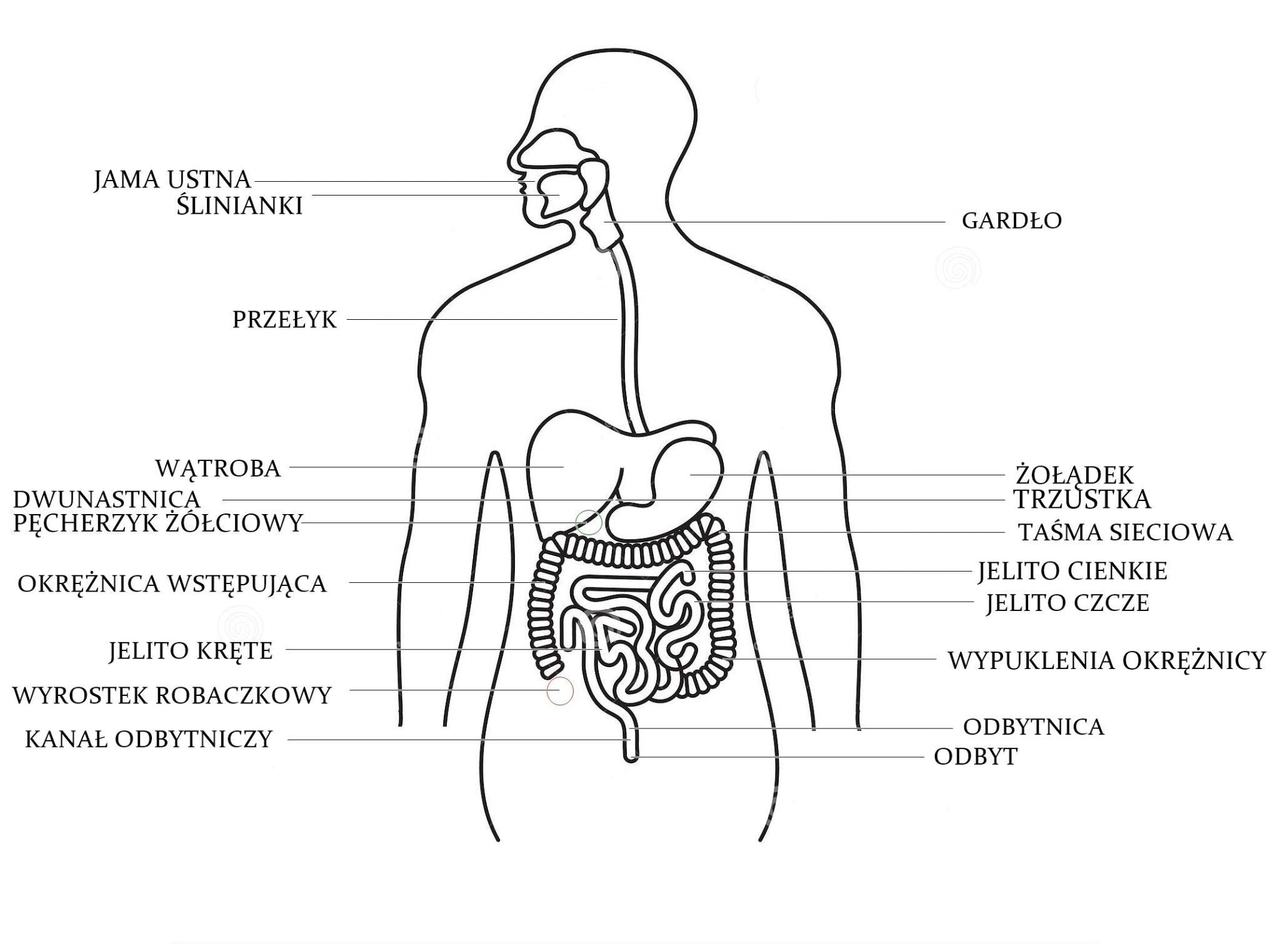
Let us briefly review the structure of the digestive system, one of the most complex systems in our body. (Figure 1) The presented structure of the digestive tract will allow us to better understand and illustrate the effect of BPC-157 on individual organs of this system.

Figure 1. Schematic diagram of the digestive system
- Functions of the digestive system
The basic function of the digestive system, known to everyone, is to obtain energy from food and absorb the necessary nutrients. The exact outline of the digestive system's functions is well known to everyone, so its presentation will typically be in the form of a reminder. The processes that initiate digestion take place in the mouth. The digestive organs listed above allow for the assimilation and digestion of food, the absorption of nutrients into the bloodstream, the absorption of nutrients that did not enter the bloodstream, and the excretion of unnecessary components. The liver, as one of the most important glands, is responsible for the proper management of carbohydrates, fats and proteins in the body, and also stores vitamins A, D and B12. In addition, it has detoxifying functions by neutralising toxins supplied in food. The pancreas is responsible for digestive functions, producing digestive enzymes. It is also responsible for controlling blood glucose levels and neutralising stomach contents. All parts of the digestive system are important for the body to achieve health balance. Therefore, it is worth taking care of its proper functioning, among other things, by using the BPC-157 peptide as a cytoprotective and reparative agent for the organs of the digestive system.
Digestive system diseases affected by BPC-157 therapeutic treatment
Due to the complex structure of the digestive system, pathological conditions, i.e. diseases, often occur. There are many diseases of the digestive tract. The table below presents some of them on which the BPC-157 peptide has a therapeutic effect. (Table 1)

Table 1. Overview of some digestive system diseases
BPC-157 therapeutic treatment for selected digestive system diseases in relation to the studies conducted
- Congestion of the digestive system/ Gastritis
A healthy gastric mucosa has a pinkish-red colour, depending on the degree of vascularisation and distension. It is therefore obvious that when we observe an intense red colour during an endoscopic examination, it means that the mucosa is congested, indicating a pathological condition. Such a diagnosis means that inflammation has developed in the gastric mucosa. There are several possible locations for the inflammation, and it may affect the entire stomach, the pre-pyloric part or the body of the stomach. The most common cause of the disease is the presence of Helicobacter pylori bacteria, which directly affects the glandular epithelium of the stomach, leading to cell proliferation. As a result, an infiltrate consisting of lymphocytes, plasma cells, macrophages and eosinophils develops. Treatment with a single antibiotic does not produce the desired results, so treatment with two antibiotics is most often implemented, and drugs that reduce hydrochloric acid secretion are also administered. a. BPC-157 therapy Studies have shown that the BPC-157 peptide reduces gastric acid secretion. Non-steroidal anti-inflammatory drugs should be avoided in cases of gastritis. If the stomach has already been damaged by these drugs, BPC-157 peptide therapy can be used to weaken the toxic effects of NSAIDs on its functioning. In addition, as a preventive measure, drinking strong beverages such as tea or coffee on a daily basis, BPC-157 helps the stomach to avoid congestion under the influence of the substances contained in them. The use of the peptide in this condition reduces congestion and, as a result, inflammation in the stomach is gradually eliminated. b. Experimental studies conducted Study 1 Material The study was conducted on male albino rats using anaesthetics to test the therapeutic potential of the BPC-157 peptide in cases of gastric mucosal inflammation. Test procedure The test was conducted at a temperature of 20-24 °C, relative humidity of 40-70% and fluorescent lighting for 12 hours a day. The rats were deeply anaesthetised intraperitoneally with thiopental and diazepam. The upper mesenteric vein and artery were ligated in the rats. After 30 minutes, the digestive tract organs were removed, resulting in decapitation. Changes in the digestive system organs were observed after administration of the BPC-157 peptide to the damaged organs. The observations were made using a camera connected to a microscope. Disorders of the digestive tract were assessed in several categories on a scale of 0-4, where 0 meant no bleeding in the digestive tract and the maximum score of 4 meant intense bleeding in this area. Results Thirty minutes after ligation of the arteries, significant changes in the digestive tract become noticeable, including congested haemorrhagic areas in the stomach and duodenum, jejunum, caecum, ascending colon and rectum. Microscopic examination revealed that symptoms such as congestion of the stomach, congestion of the small intestine mucosa, rectum and perirectal vascular plexus were minimised after administration of the BPC-157 peptide. (Figure 2)

Figure 2. Changes observed in the gastrointestinal tract: congested haemorrhagic areas in the stomach and duodenum, jejunum, caecum, ascending colon and rectum (a-d) and their minimisation through the action of the BPC-157 peptide (A-D)
Conclusions The pathological condition of congestion of the digestive system/gastritis was minimised by treatment with the BPC-157 peptide. The observed reduction in organ congestion suggests that this peptide has a regenerative effect on the gastric mucosa.
- Peptic ulcer disease
In medical terms, a stomach ulcer is a defect in the stomach wall, affecting the mucous membrane, muscle layer and submucosal tissue. The first stage in the development of ulcers is the formation of an ‘erosion’ on the surface of the stomach. These are relatively small changes that the mucous membrane can cope with thanks to its regenerative abilities. Unfortunately, in cases where this does not happen and the symptom is left untreated or unnoticed, it spreads, penetrating deep into the stomach and damaging its subsequent layers and blood vessels. The most common cause of the disease is the presence of Helicobacter pylori bacteria, as well as an inadequate diet, smoking, or stress as a psychogenic factor that can trigger it. a. BPC-157 therapy With the use of BPC-157, a significant reduction in the number of stomach ulcers or their complete elimination is observed with systematic and prolonged use. As mentioned earlier, BPC-157 weakens the toxic effect of NSAIDs on the stomach, which also eliminates the formation of erosions or ulcers in the stomach. When used prophylactically, it creates a protective barrier that acts protectively even in the presence of factors leading to the development of peptic ulcer disease.b. Experimental studies conducted Study 2 Material The study was conducted on male rats weighing between 200g and 240g. Study procedure Each animal was given saline, mannitol and amotidine as a caloric control, excipient control and positive control. The animals were fasted for 24 hours with access to water, and then administered the peptide BPC-157. Ulceration was induced by injecting indomethacin, followed by the administration of formaldehyde into the stomach. An incision was made on the surface of the stomach with its stretching, where the size of the ulcers was measured. Results The administration of the BPC-157 peptide in the presence of the analgesic indomethacin shows its protective effect on the stomach and prevents the ulcers caused by this drug. Conclusions Peptic ulcer disease, which can be caused by Helicobacter pylori bacteria, stress, NSAIDs or excessive secretion of HCl and pepsin, is minimised in the presence of the BPC-157 peptide, and individual ulcers are completely removed.
- Inflammation of the lower oesophageal sphincter/gastro-oesophageal reflux disease
Gastroesophageal reflux disease is caused by a condition known as pathological reflux of stomach contents into the oesophagus. People with abnormal lower oesophageal sphincter function, gastric emptying disorders or obesity are most at risk of developing this condition. Reflux is caused by abnormalities in the contraction of the oesophagus, as its proper functioning is based on rapid contraction so that food goes directly to the stomach without flowing back. The treatment of reflux is based on the administration of antacids, local protective drugs, changes in eating habits and, in extreme cases, surgical treatment is considered. a. BPC-157 therapy The BPC-157 peptide regulates pressure in the oesophagus. This applies to the lower oesophageal sphincter and the pyloric sphincter, which means it can be used both preventively and as a drug that acts directly on the symptoms of reflux, eliminating its course and symptoms. b. Experimental studies conducted Study 3 Material The study was conducted on female albino rats to investigate the therapeutic potential of the BPC-157 peptide in cases of oesophageal reflux. Study procedure Rats with inflammation of the lower oesophageal sphincter and duodenum were studied. BPC-157 was administered at a dose of 10 μg/kg. In the control group, rats were administered saline at a dose of 5.0 ml/kg. A catheter was implanted into the stomach through the oesophagus under deep anaesthesia. BPC 157, ranitidine or 0.9% NaCl was administered directly into the rat's stomach. After a few minutes, manometric assessment was performed using a water manometer connected to the catheter drainage port. Results In rats, reduced pressure in the sphincters was observed after the procedure. Daily treatment with BPC-157 after surgery maintained sphincter pressure at normal levels, which corresponded to a reduction in oesophagitis. In addition, the confluent haemorrhagic and yellowish lesions that appear in advanced oesophagitis are reduced to a minimum. BPC-157 consistently restores reduced pressure in both the lower oesophageal sphincter and the pyloric sphincter.

Figure 3. BPC-157 peptide therapy minimising the symptoms of oesophagitis
Conclusions The medical condition of oesophagitis was minimised using BPC-157 peptide therapy.
- Leaky gut syndrome
Leaky gut syndrome is characterised, as the name suggests, by damage and leakage in the intestinal mucosa. This phenomenon causes harmful microorganisms, parasites and undigested complex protein chains to enter the bloodstream. The most common symptoms of this condition are severe abdominal pain, diarrhoea and constipation. Leaky gut syndrome is caused by poor diet, stress and excessive physical exertion. Treatment involves eliminating toxins from the body, using prebiotics and probiotics to balance the microflora, and reducing intestinal inflammation. a. BPC-157 therapy BPC-157 acts as a membrane stabiliser, counteracting leaky gut syndrome through its action on molecular pathways. Thanks to its action profile, it increases the permeability of capillaries. The use of BPC-157 helps to maintain the integrity of the intestinal mucosa.
BPC-157 therapy in gastric stress pathology
Psychosomatic disorders are conditions in which psychological factors influence physical health. Stress affects our entire body, and in the case of the digestive system, it can lead to serious dysfunction. A person subjected to constant stress factors is exposed to conditions such as pain in the oesophagus or abdomen, as well as problems with appetite. Just as stress disorders affect our body, poor digestive health can lead to increased feelings of exhaustion, stress, insomnia and anxiety. Psychological factors have an impact and play a role in the etiopathogenesis and treatment of digestive system diseases such as irritable bowel syndrome, reflux disease and functional dyspepsia. In addition, psychosomatic diseases currently include gastric neurosis, habitual vomiting, psychogenic constipation, as well as gastric and duodenal ulcers, which are caused not only by chemical, infectious or traumatic factors, but also by prolonged stress stimuli. Somatic symptoms of anxiety related to gastrointestinal activity include dry mouth, burning sensation in the oesophagus, heartburn, excessive salivation, nausea and vomiting, spastic conditions of the oesophagus, stomach and intestines, abdominal discomfort, diarrhoea, functional motility disorders, swallowing problems, lack of appetite and, in some cases, excessive appetite and obesity. As we know from the previous article, BPC-157 also has a protective effect on our nervous system, which is why its effect on the digestive system is doubly important. Thanks to the consistent and systematic use of BPC-157, symptoms of stress, burnout, depression and anxiety are reduced. This phenomenon occurs both when it is related to the digestive system and when it is related only to symptoms of the nervous system. The BPC-157 peptide helps to avoid stress caused by digestive system disorders, and because it is a bound reaction, it also helps to eliminate digestive tract disorders caused by stressors.

Figure 4. Consistent and systematic use of BPC-157 allows for the removal of stomach ulcers caused by stress factors (stomach stress).
Cytoprotective effect of BPC-157
The concept of cytoprotection The concept of cytoprotection refers to the ability, in this case of a substance, to protect the body's cells from the undesirable and damaging effects of various factors. The protective effect on the cell is based on the inhibition of oxidative stress, apoptosis and the functioning of metabolism at the lowest possible energy level in the event of a deficiency. The protective effect of BPC-157 on the stomach BPC-157 has a beneficial effect on both the stomach and all organs of the digestive system.
stomach cytoprotection → organoprotection of the entire digestive tract
Cytoprotection, in relation to the entire digestive system, covers even the most complex changes, including internal and external fistulas and severe colitis. BPC-157 also acts as a free radical scavenger, counteracting damage caused by free radicals, normalising and measuring NO and MDA levels in tissues and during ischaemia and reperfusion. Through the presence of VEGFR 2 receptors as a growth factor, growth hormone receptors, VEGFR2-AKT-eNOS, ERK ½, FAK-paxillin, FoxO3a, p-AKT, p-mTOR and p-GSK-3β pathways and characteristic loops, the level of pro-inflammatory cytokines is reduced, thus exerting a protective effect in the event of inflammation throughout the digestive system.

Figure 5. Cytoprotective and organoprotective effects of BPC-157
Protection against adverse effects of NSAIDs using BPC-157 therapy
The concept of NSAIDs Non-steroidal anti-inflammatory drugs (NSAIDs) are one of the most commonly used groups of medicines, available without a prescription and with a broad spectrum of action, including anti-inflammatory, antipyretic and analgesic effects. Due to their availability and frequent use, their side effects are often noticeable, often leading to digestive system disorders. The impact of NSAIDs on the risk of gastrointestinal damage The toxic effect of NSAIDs affects the entire digestive system. NSAIDs have a gastotoxic effect due to their ability to inhibit the synthesis of gas-protective prostaglandins. Prostaglandins are essential for the proper functioning of the digestive system. The process of inhibiting prostaglandin synthesis is carried out by constitutive cyclooxygenase, or COX-1. The free flow of submucosal blood and carbohydrate synthesis is inhibited, leading to digestive disorders. In addition, NSAIDs easily penetrate epithelial cells because they are weak organic acids that do not dissociate in the acidic environment of the stomach. The consequence of penetration into epithelial cells is the initiation of the ionization process, where NSAIDs are not dissolved in fats, thus remaining present in these cells. As a result of the so-called ion trap, damage to epithelial cells is increased. A reduction in gastric juice volume due to the action of NSAIDs, without a reduction in hydrogen ions, leads to the formation of inflammatory foci, resulting in the development of gastric ulcer disease. The action of nonsteroidal anti-inflammatory drugs in the gastrointestinal tract may additionally cause, among other things, enteropathy, perforations, strictures, or lead to exacerbation or recurrence of gastrointestinal disease. It is worth mentioning that most of the pathological changes caused by NSAIDs occur in the lower part of the gastrointestinal tract. Before starting to use NSAIDs, it is important to familiarize yourself with their toxic effects on the digestive system, the consequences of symptoms, and how to alleviate or prevent them. The therapeutic profile for the prevention and treatment of symptoms is demonstrated by the peptide BPC-157. a. BPC-157 therapy As is well known, NSAIDs have a cytotoxic effect on the digestive system. Agents that prevent cytotoxic effects are called cytoprotective agents, which include BPC-157. The cytoprotective effect of BPC-157 may indicate that it is becoming a new mediator, participating in both the cytoprotective response and the adaptive cytoprotective response, acting against exogenous and endogenous irritants. BPC-157 is stable in gastric juice and, by combining regenerative processes, has a wide range of treatments for the effects of NSAID therapy. If the use of NSAIDs can lead to gastric ulceration, it is not surprising that BPC-157, by eliminating their cytotoxic effects, will protect the stomach from their formation, even in the case of simultaneous use and regeneration after therapy with NSAIDs. The VEGF growth factor has a significant impact on the regenerative profile of BPC-157. BPC-157, which is a VEGRF stimulator, promotes angiogenesis. Angiogenesis induced by BPC-157 creates new blood vessels from existing vessels. Thanks to the process of angiogenesis, the BPC-157 peptide is used in the healing of stomach ulcers caused by NSAID therapy and in the regeneration of the digestive system after their use. b. Experimental studies conducted Study 4 Material The study was conducted on male albino rats, examining the effect of the BPC-157 peptide, compared to the effect of the amino acid L-arginine, in the presence of celecoxib, a selective cyclooxygenase-2 (COX-2) inhibitor belonging to the NSAID group of drugs. Study procedure Celecoxib at a dose of 1 g/kg was administered intraperitoneally, followed very quickly by BPC-157 at doses of 10 μg/kg, 10 ng/kg, and 1 ng/kg, and L-arginine at a dose of 100 mg/kg. A control group was also created in the study, where saline was administered intraperitoneally. The severity of the injuries was assessed immediately after euthanasia. The stomach tissues were subjected to routine microscopic analysis to determine the effect of the peptide and amino acid on gastric changes in the presence of a nonsteroidal anti-inflammatory drug. Results Celecoxib, as a potent NSAID, caused severe gastric changes, including histopathological findings of intestinal mucosal defects and gastric ulcers. Forty-eight hours after drug administration, the changes were exacerbated. In samples where L-arginine was administered, these changes were attenuated. An even more beneficial effect was demonstrated by the administration of the BPC-157 peptide, which, when administered immediately after celecoxib, completely alleviated the changes caused by celecoxib, both after 24 hours and after 48 hours. (Table 2) This study is an example of the effect of BPC-157 in combination with only one NSAID, but the effect with other drugs in this group consistently shows the same beneficial and desirable effect.

Table 1. Comparison of the effects of BPC-157 and L-arginine to the control sample after 24 hours and 48 hours.

Figure 6. Overall presentation of gastric changes induced by celecoxib in the control group, with the use of BPC-157 and L-arginine. BPC-157 performs best in this classification, minimising the degree of damage caused by NSAIDs to a minimum.
BPC-157 significantly alleviated liver damage caused by celecoxib, which caused liver damage. Clear steatosis of hepatic microvesicles and macrovesicles, dilated sinusoids and fragmentary liver necrosis were observed. (Fig. 7)

Figure 7. Presentation of changes in the liver caused by celecoxib (A) and after administration of the BPC-157 peptide (a). Administration of BPC-157 minimises the harmful effects of NSAIDs on the liver.
Conclusions BPC-157 acts directly on the digestive system, minimising the effects of NSAID therapy and, in some cases, eliminating them altogether.
Assistance in recovery after procedures and operations
BPC-157, leading to the activation of the Src–caveolin-1–eNOS pathway and the activation of the VEGFR2–Akt–eNOS signalling pathway, has a regenerative effect, which is useful in convalescence after procedures and operations within the digestive system. The expression of the ZO-1-associated protein prevents an increase in intra-abdominal pressure, which eliminates the occurrence of leaky gut syndrome, a very important aspect in the post-operative state. In addition, by inhibiting the expression of inflammatory mediators (iNOS, IL-6, IFNγ and TNF-α) mRNA, BPC-157 minimises the risk of adverse inflammation during postoperative recovery. Study 5 Material The study was conducted on male albino rats to assess the degree of postoperative recovery with BPC-157 therapy. Study procedure The rats were deeply anaesthetised intraperitoneally with thiopental and diazepam, followed by oesophagogastric anastomosis in the apical part of the forestomach and the distal part of the incision and oesophagus. BPC-157 was administered orally in drinking water at doses of 10 μg/kg, 10 ng/kg, 0.16 μg/ml, 0.16 ng/ml and 12 ml/day. For comparison, L-arginine was also administered to better demonstrate the beneficial effects of BPC-157 using a comparative method. Results Rats undergoing gastrointestinal anastomosis without any medication were exposed to a very severe post-operative condition, where the lesions on the surface of such a small stomach were not extensive. However, changes were noticeable in the oesophagus, where severe inflammation occurred. The anastomoses were also weakened, resulting in water loss in the body and subsequently weight loss. These lesions led to death. After administration of the BPC-157 peptide, the lesions in the stomach and the inflammatory lesions in the oesophagus were weakened and the anastomoses were strengthened. In addition, the pressure in the oesophagus at the site of the anastomosis and the cardia increased. As a result, survival increased to such an extent that fatal outcomes were avoided.

Figure 1. Comparison of BPC-157 with control in postoperative treatment
Conclusions BPC-157, demonstrating a broad spectrum of activity, also has a regenerative effect after gastrointestinal procedures and operations, promoting faster recovery. Summary Proper functioning of the digestive system is essential for comfort of life. The broad spectrum of action of BPC-157 on our digestive system allows it to be classified as a substance with therapeutic, regenerative and prophylactic properties. Systematic use of the peptide will allow the digestive system to regain full efficiency, as diseases or ulcers effectively minimise our comfort of functioning. A significant number of studies show that BPC-157 in the form of intragastric administration (via capsules or dissolution of the substance in water) has the same effective effect on our digestive system as injection administration. It can be safely said that BPC-157 in the form of a stable salt is a new precursor in the treatment of digestive disorders.
Bibliography
- M.Knezevic, Gojkovic.S, Krezic.I, Zizek.H, Knezevic.T, Occluded Superior Mesenteric Artery and Vein. Therapy with the Stable Gastric Pentadecapeptide BPC 157. Biomedicines 2021; 9(7), 792; DOI:10.3390/biomedicines9070792 https://doi.org/10.3390/biomedicines9070792
- Seiwerth.S, Milavic.M, Vukojevic.J, Stable Gastric Pentadecapeptide BPC 157 and Wound Healing. 2021 Jun 29;12:627533; DOI:10.3389/fphar.2021.627533 10.3389/fphar.2021.627533
- Gojkovic.S, Krezic.I, Vranes.H, Zizek.H, Drmic.D, BPC 157 Therapy and the Permanent Occlusion of the Superior Sagittal Sinus in Rat: Vascular Recruitment. Biomedicines 2021 28;9(7):744. doi: 10.3390/biomedicines9070744
10.3390/biomedicines9070744 - Sikiric.P, Hahm.K, Blagaic.A, Tvrdeic.A, Pavlov.K, Andrea Petrovic.A, Stable Gastric Pentadecapeptide BPC 157, Robert’s Stomach Cytoprotection/Adaptive Cytoprotection/Organoprotection, and Selye’s Stress Coping Response: Progress, Achievements, and the Future. 2020; 14(2): 153-167; DOI:https://doi.org/10.5009/gnl1849 https://doi.org/10.5009/gnl18490
- Drmic.D, Kolenc.D, Bauk.L, Sever.M, Celecoxib-induced gastrointestinal, liver and brain lesions in rats, counteraction by BPC 157 or L-arginine, aggravation by L-NAME. 2017; 23(29): 5304–5312; DOI:10.3748/wjg.v23.i29.5304 10.3748/wjg.v23.i29.5304
- Vitaic.S, Stupnisek.M, Drmic.D, Nonsteroidal anti-inflammatory drugs-induced failure of lower esophageal and pyloric sphincter and counteraction of sphincters failure with stable gatric pentadecapeptide BPC 157 in rats. 2017; 68(2):265-272;
- Djakovic.z, Djakovic.I, Cesarec.V, Madzarac.G, Becejac.T, Zukanovic.G, Drmic.D, Esophagogastric anastomosis in rats: Improved healing by BPC 157 and L-arginine, aggravated by L-NAME. 2016; 7;22(41): 9127-9140; DOI:10.3748/wjg.v22.i41.9127 doi: 10.3748/wjg.v22.i41.9127
- Duzel.A, Vlainic.J, Antunovic.M, Malekinusic.D, Vrdoljak.B, Samara.M, Stable gastric pentadecapeptide BPC 157 in the treatment of colitis and ischemia and reperfusion in rats: New insights; 2017; 28; 23(48):8465-8488; DOI: 10.3748/wjg.v23.i48.8465 doi: 10.3748/wjg.v23.i48.8465
- Petrovic.I, Dobric.I, Drvis.P, Shejbal.D, Bracic.L, An Experimental Model of Prolonged Esophagitis With Sphincter Failure in the Rat and the Therapeutic Potential of Gastric Pentadecapeptide BPC 157, Department of Pharmacology 2006; (102): 269 – 277; DOI:10.1254/jphs.FP0060070 doi: 10.1254/jphs.FP0060070
- Xue.X, Wu.Y,Gao.M, Li.W, Protective effects of pentadecapeptide BPC 157 on gastric ulcer in rats. 2004, 10(7): 1032–1036; DOI:10.3748/wjg.v10.i7.103210.3748/wjg.v10.i7.1032
- Petek.M, Sikiric.P, Anic.T, Buljat.G, Separovic.J, Stancic-Rokotov.D, Seiwerth.S, Grabarevic.Z, Pentadecapeptide BPC 157 attenuates gastric lesions induced by alloxan in rats and mice. 1999; 93(6):501-4. DOI: 10.1016/s0928-4257(99)00120-510.1016/s0928-4257(99)00120-5
- Sikiric.P, Seiwerth.S, Rucman.R, Turkovic.B, Rokotov.D, Brcic.L, Sever.M, Toxicity by NSAIDs. Counteraction by stable gastric pentadecapeptide BPC 157. 2013;19(1): 76-83. DOI: 10.2174/13816128130111
doi: 10.2174/13816128130111 - Konosic.S, Petricevic.M, Ivancan.V, Konosic.L, Goluza.E, Krtalic.B, Intragastric Application of Aspirin, Clopidogrel, Cilostazol, and BPC 157 in Rats: Platelet Aggregation and Blood. 2019; DOI:10.1155/2019/9084643doi: 10.1155/2019/9084643



Injuries in powerlifting
The effect of BPC-157 on injuries to the musculoskeletal system. Peptide therapy assistance for wounds, burns and cuts.