 English


Restores circadian rhythm balance and improves sleep quality and duration. Peptide therapy for insomnia and melatonin production disorders.
Abstract: Epithalon is a synthetic peptide based on a natural peptide present in the pineal gland. It is used as a sleep regulator, improving sleep quality. In addition, peptide therapy with Epithalon eliminates insomnia and melatonin production disorders. Keywords: epithalon; circadian rhythm; sleep; sleep quality; melatonin; balance; insomnia; sleep phases; metabolism; synthesis; release; sleep disorders; melatonin receptors; telomere shortening; stimulation List of abbreviations: SCN- SPZ- NREM; ALA; ASP; GLU
Introduction
Recent studies have shown that NL Epithalon stimulates the pineal gland to produce melatonin, the sleep hormone. These observations are supported by experiments involving both animals and humans, where in both cases the effect on nighttime melatonin production was positive. This mechanism also contributes to the regulation of the circadian rhythm and rejuvenating effects, as with advancing age, the ability to produce melatonin deteriorates and sleep quality declines, which in turn can lead to other aspects of health also deteriorating.
WHAT IS A DREAM?
Sleep occurs as a functional state of the central nervous system, appearing cyclically and passing in a circadian rhythm, during which consciousness and immobility are suspended. Physiological sleep is characterized by complete reversibility under the influence of external factors.
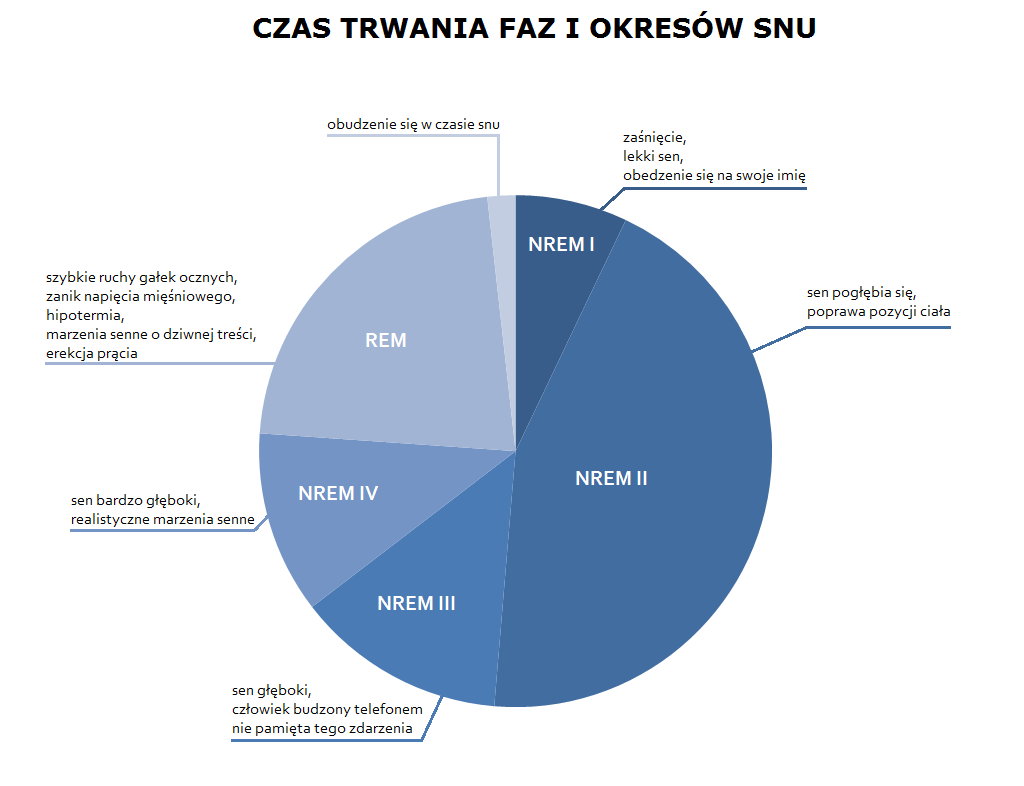
SLEEP PHASES

MELATONIN
Given its chemical nature, melatonin is a small molecule compound that dissolves well in water and fats. Melatonin, a hormone produced by the pineal gland, is regulated by the circadian cycle and even by the seasons, and participates in the regulation of many behavioral and physiological processes. Melatonin levels are variable and fluctuate during different phases of the cycle. The substance itself is not stored in the body, and the rate of its synthesis is proportional to the rate of its release into the bloodstream.
MELATONIN SYNTHESIS
In the body, melatonin synthesis occurs thanks to the action of its precursor, tryptophan, which is taken from the blood. The main enzyme involved in melatonin synthesis is Na-acetyl transferase. The site of synthesis is the aforementioned pineal gland, with small amounts of melatonin produced by the retina and lens of the eye, the epithelium of the gastrointestinal tract, and blood cells. Information about environmental lighting conditions reaches the pineal gland via a complex neural pathway beginning in the retina of the eye: retina → retinohypothalamic tract → SCN → paraventricular nucleus → medial forebrain bundle → diencephalon cover → lateral intermediate nucleus of the spinal cord → superior cervical ganglion → postganglionic sympathetic fibers → pinealocytes of the pineal gland.
MELATONIN METABOLISM
Melatonin circulating in the blood undergoes rapid metabolic conversion in the liver, first hydroxylation at position 6, followed by conjugation of 6-hydroxymelatonin with sulfuric or glucuronic acid. The resulting inactive metabolites of the hormone are excreted from the body in the urine. The biological half-life of exogenous melatonin in humans is short, ranging from 10 to 60 minutes.
MELATONIN RELEASE
Postsynaptic receptors located in the superior cervical ganglion, which innervates the pituitary gland, regulate the release of melatonin. The suprachiasmatic nuclei of the hypothalamus receive stimuli from the retina, which gives them the character of an anatomical biological clock linked to the light cycle. At night, stimuli are sent from the suprachiasmatic nuclei to the receptors of the superior cervical ganglion and the pineal gland, leading to the secretion of the hormone melatonin. Melatonin synthesized in the pineal gland is rapidly and pulsatily released into the bloodstream and cerebrospinal fluid, from where it is distributed to organs and tissues throughout the body.
MELATONIN SECRETION DEPENDING ON AGE
Melatonin secretion in humans during the circadian rhythm begins after the sixth week of life. With age, a significant increase in nighttime hormone secretion is observed. During puberty, melatonin secretion levels decrease and continue to decline slowly with age. After reaching the age of 65/70, the circadian rhythm of melatonin secretion disappears almost completely.
MELATONIN IN SLEEP DISORDERS
Melatonin, as a hormone regulating the circadian day-night rhythm and seasonal biorhythm, also participates in the process of sleep mood and quality. It has been found that administering an analogue of this hormone in tablets leads to the expected drowsiness or desire to sleep and improves sleep quality for faster and more effective regeneration and rest. Observations conducted in humans to date have shown that daily and seasonal changes in melatonin levels lead to sleep disturbances, insomnia, and affective disorders, described as states of depression, most commonly occurring in winter. Melatonin in humans accelerates falling asleep, reduces the number of nighttime awakenings, and increases the total duration and quality of sleep.
SLEEP REGULATION PROCESSES
Two processes are involved in sleep regulation: homeostatic and circadian. The first process depends on the duration of sleep, while the second, circadian, regulates the transition between sleep and wakefulness. All stages of NREM sleep, which account for over 80% of total sleep, are controlled by the homeostatic process. The suprachiasmatic nucleus interacts with regulatory mechanisms and is most likely responsible for disruptions in the functioning of the main circadian rhythm clock, playing an important role in sleep and wakefulness disorders. The circadian cycle of sleep and wakefulness also requires neurons located in the ventral subauricular field of the hypothalamus, which send projections to the dorsomedial hypothalamus. The sleep-wake rhythm is therefore controlled by a circuit with two relays – the first part runs from the suprachiasmatic nucleus to the ventral tegmental area of the hypothalamus (SPZ), while the second connects it to the dorsomedial hypothalamus.
CIRCADIAN RHYTHM
The circadian rhythm is the basic mechanism that influences the length, quality, and timing of sleep. Technological advances, widespread exposure to artificial lighting in the evening and at night with low exposure to sunlight during the day, lack of physical activity, many hours of mental activity during the day and often also in the period immediately preceding bedtime, irregular meal times, shift work and/or irregular work patterns cause circadian rhythm disorders of sleep and wakefulness, manifested, among other things, by poor sleep quality and impaired psychophysical performance during the day, which are common health problems in developed countries. It is important to remember that the circadian rhythm determines the proper functioning of the body. Unfortunately, it is often disrupted with age. This is clearly accompanied by a decrease in melatonin production and a deterioration in sleep quality.
NL EPITHALON
NL Epithalon is a synthetic tetrapeptide with a specific amino acid sequence of Ala-Glu-Asp-Gly, a molecular formula of C14H22N4O9, and a molecular weight of 390.35 g/mol. NL Epithalon is derived from epithalamin, a naturally occurring polypeptide produced in the pineal gland. The main property of NL Epithalon is its ability to increase telomerase activity in somatic cells. This helps cells to regenerate telomeres, which are essential protective parts of our DNA, resulting in, among other things, the ability to regulate circadian rhythms and sleep disorders by normalizing melatonin levels, promoting deeper sleep, and providing strong antioxidant properties.
SLEEP-INDUCING EFFECT OF NL EPITHALON
The results collected so far indicate the beneficial effects of NL Epithalon as a therapy for sleep disorders, causing, among other things, faster onset of evening fatigue and drowsiness, shorter sleep latency, faster falling asleep and waking up, faster resynchronization of biological rhythms to a new time zone, and reducing sleep disorders.
TELOMERE SHORTENING
A telomere is an important region of repeating nucleotide sequences at each end of a chromosome that protects the end of the chromosome from damage or fusion with neighboring chromosomes. As a result of each cell division, the ends of telomeres are shortened. During chromosome replication, DNA-replicating enzymes cannot continue to replicate them to the end of the chromosome, so each replication shortens the end of the chromosome (this is because the synthesis of fragments requires the attachment of RNA primers to the lagging strand). This means that with each cell division (each time a cell undergoes mitosis), the telomeres at the ends of each chromosome shorten again. After many divisions, telomeres reach a critical length, resulting in the cell ultimately losing its ability to continue dividing to replace worn-out, damaged, or diseased cells. Further cell division becomes impossible, and the cell ages. At this point, the cell has reached what is known as the Hayflick limit.
EXPERIENCE WITH TELOMERE SHORTENING
Mothers who slept less than 7 hours a day had significantly shorter telomeres in their white blood cells. Telomeres are small pieces of DNA located at the ends of each chromosome. They act as protective caps, preventing damage during replication. Shortened telomeres have long been associated with a higher risk of cancer, cardiovascular disease, and other illnesses, as well as earlier death.
NL EPITHALON IMPROVES SLEEP QUALITY BY PREVENTING TELOMERE SHORTENING
NL Epithalon is used to increase the natural production of telomerase, a natural enzyme that helps cells reproduce telomeres, which are protective parts of our DNA. This ultimately leads to a slowdown in the aging of the cell population. NL Epithalon, thanks to the aforementioned processes, can be used to restore and normalize melatonin levels or to protect cells from oxidative stress. NL Epithalon has also been shown to help restore and normalize melatonin production by the pineal gland, as well as restore the normal circadian rhythm of cortisol production, which ensures better sleep at night.
MELATONIN STIMULATION BY NL EPITHALON
As we age, we observe a decrease in the nighttime circadian level of melatonin in blood plasma and a decrease in the amplitude of the circadian hormone rhythm, which indicates disturbances in the function of melatonin release by the pineal gland. The peptide preparation NL Epithalon restores nighttime secretion of endogenous melatonin and leads to normalization of the circadian hormone rhythm in blood plasma. In older people, NL Epithalon modulates the functional state of the pineal gland: functional insufficiency of the pineal gland is accompanied by an increase in melatonin levels at night. In addition, NL Epithalon effectively increases melatonin concentration and does not cause side effects.
EXPERIENCE WITH MELATONIN STIMULATION BY NL EPITHALON
NL Epithalon tetrapeptide (Ala-Glu-Asp-Gly) was synthesized based on the amino acid composition of Epitalamine. The effect of NL Epithalon on melatonin and cortisol secretion in individuals of different ages was investigated.
EXPERIMENT RESULTS:
The experiment clearly shows that NL Epithalon increased melatonin concentration in the evening. The melatonin content of individuals treated with NL Epithalon was more than 3 times higher than in the control group. NL Epithalon not only stimulated melatonin synthesis, but also normalized the circadian rhythms of cortisol concentration in peripheral blood.
RESTORATION OF NORMAL CIRCADIAN RHYTHM BY NL EPITHALON
A study of the effect of NL Epithalon on circadian rhythms disrupted by the neurotoxic compound DMH showed a return of circadian NE dynamics in the MPA. This peptide prevents xenobiotic-induced disturbances in the circadian rhythm of DA, maintaining the level of this metabolite at a low level at 5 a.m. (CT) and its increase at 11 a.m. (CT). The data obtained suggest that the pineal gland is important for the normalization of the circadian signal needed for gonadotropin-releasing hormone secretion.
EXPERIENCE WITH RESTORING THE CORRECT CIRCADIAN RHYTHM BY NL EPITHALON
A small study involving 14 people of different ages showed that NL Epithalon improved melatonin production in all participants.

Bibliography
1.C.Boureima, R.Rozencwaig, F. Polyak, C.Gamberi, Cyst Reduction by Melatonin in a Novel Drosophila Model of Polycystic Kidney Disease. 2020, 23: 16-67
2.M.Kvietkauskas, V.Zitkute, B.Leber, K.Strupas, P.Stiegler, P.Schemmer, The role of melatonin in colorectal cancer treatment: a comprehensive review. 2020, 17: 1-90
3.V.Khavinson, F.Diomede, E.Mironova, N.Linkova, S.Trofimova, O.Trubiani, S. Caputi, B.Sinjari, AEDG Peptide (Epitalon) Stimulates Gene Expression and Protein Synthesis during Neurogenesis: Possible Epigenetic Mechanism. 2020, 30:26-46



The role of the NL GHK-Cu peptide in skin and hair restoration and regeneration processes
The role of the NL GHK-Cu peptide in skin and hair restoration and regeneration processes