 English


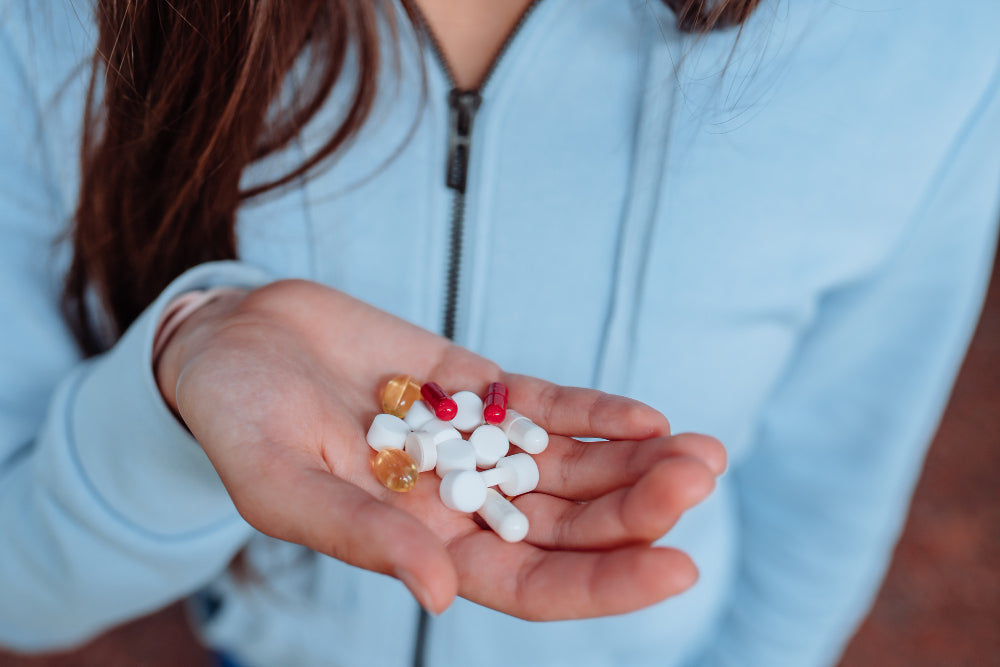
Peptides are gaining increasing recognition as an aid in regulating glucose levels and treating type 2 diabetes. Thanks to their stimulating and regenerative properties, selected peptides can support insulin secretion, improve tissue sensitivity, and protect pancreatic cells. Check which substances from our offer have the potential to combat carbohydrate metabolism disorders.
How do peptides affect blood sugar levels?
Peptides support glucose regulation on many levels. They increase insulin secretion, improve cell sensitivity, and protect the pancreas. GLP-1 stimulates the pancreas and reduces appetite, while CJC-1295 and Tesamorelin activate growth hormone, which affects glucose metabolism. AOD-9604 promotes fat reduction, which improves insulin resistance. Some peptides protect pancreatic beta cells, delaying the progression of the disease. Their action can be both therapeutic and preventive. Regular use of peptides provides real support for people with insulin resistance and type 2 diabetes – as a supplement to treatment.
Which peptides in our range have anti-diabetic effects?
Our range includes peptides that support glucose metabolism:
- GLP-1: regulates insulin and reduces appetite
- Tesamorelin: improves insulin sensitivity
- CJC-1295 + DAC: stimulates GH, supports metabolism
- AOD-9604: reduces fat and sugar
- BPC-157: regenerates and has a cytoprotective effect
 Summary of peptide activity:
| Peptide | Main action | Metabolic benefits |
| GLP-1 | Increased insulin, reduced appetite | Better blood glucose control |
| Tesamorelin | IGF-1 regulation | Improvement of insulin resistance |
| CJC-1295 + DAC | GH stimulation | Lowering fasting glucose |
| AOD-9604 | Lipolysis | Drop in blood sugar levels |
| BPC-157 | Pancreatic regeneration | Protection of beta cells |
How should peptides be used to support blood sugar control?
Peptides should be used according to a protocol tailored to the needs and goals of the therapy. Regularity and proper dosing are key. GLP-1 and its analogues are usually administered before meals. CJC-1295 with DAC – 1–2 times a week. Tesamorelin and AOD-9604 work best in the morning or before bedtime. Combining peptides with diet and physical activity enhances the effects. The therapy also requires monitoring of glucose levels to assess its effectiveness and safety. Incorrect use can reduce the effects of the treatment, so it is recommended to work with a specialist.
Can peptides replace traditional diabetes treatment?
No, but they can effectively complement it.
The use of peptides can improve the body's response to treatment and support regeneration. Peptides can delay the need for insulin, improve lipid parameters, and reduce inflammation. They are particularly beneficial in the early stages of diabetes and insulin resistance. The effectiveness of therapy depends on lifestyle, diet, and genetics, so peptides are not a universal solution but part of a broader therapeutic approach. It is recommended to work with a doctor or therapist specializing in peptide therapy to achieve safe and lasting results.
FAQ - frequently asked questions
- Can peptides be combined with antidiabetic drugs?
Yes, but this requires supervision by a specialist – adjustments to drug doses may be necessary. - Is peptide therapy safe?
Yes, with proper selection and monitoring. Our offer includes certified products. - Can several peptides be used at the same time?
Yes, but this requires specialist supervision – medication doses may need to be adjusted.
Would you like to choose the right peptide to support glucose control?Contact us – we will help you create a personalized plan tailored to your needs.



Peptides in sports rehabilitation – how do they speed up recovery?
Peptides and eye health – can they improve vision?