 English


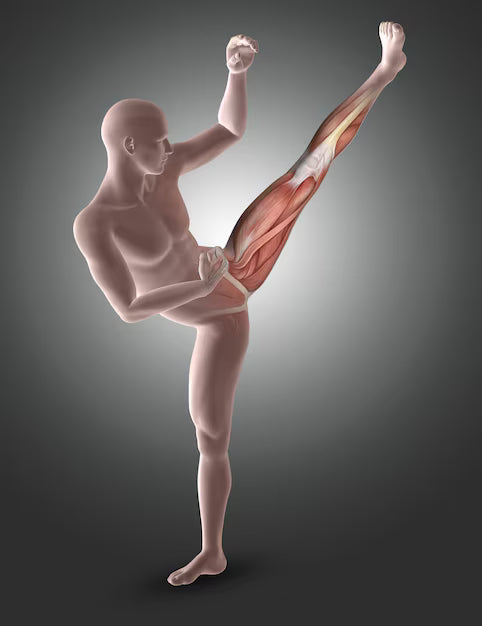
Sports injuries are an inevitable part of physical activity, both for professional athletes and amateurs. The recovery process after injuries can be long and complicated, and one of the key elements supporting this process are peptides. These small but powerful molecules can significantly speed up the return to full fitness. In this article, we will discuss what peptides are, how they work, and what benefits they offer in the context of recovery from injuries.
What are peptides?
Peptides are short chains of amino acids that are the basic building blocks of proteins. They perform a variety of functions in the human body, including regulatory and structural roles. There are many types of peptides, each with specific properties and applications. For example, collagen peptides are crucial for the health of the skin, joints and tendons, while peptides with antioxidant properties can protect cells from oxidative stress.
Peptides are naturally produced by the body, but they can also be obtained from external sources such as diet and supplements. In recent years, there has been growing interest in synthetic peptides, which are developed in laboratories and can have precisely defined therapeutic properties. Such peptides can be used in various fields of medicine, including tissue regeneration after injury.
The mechanism of action of peptides is based on their ability to interact with receptors on the surface of cells, which initiates various biological processes. For example, peptides can stimulate collagen production, support soft tissue repair, and even accelerate wound healing. Thanks to these properties, peptides are becoming an increasingly popular tool in the treatment of sports injuries.

How do peptides support regeneration?
Recovery from injury is a complex process that requires the synchronisation of many biological mechanisms. Peptides can support this process on several levels. Firstly, peptides such as BPC-157 are known for their anti-inflammatory effects. By reducing inflammation at the site of injury, these peptides can accelerate the healing process and reduce pain, which is crucial in the initial phase of recovery.
Secondly, peptides can stimulate angiogenesis, i.e. the formation of new blood vessels. This is important because better blood supply to damaged tissue accelerates its repair and provides essential nutrients and oxygen. For example, peptides such as TB-500 are particularly effective in supporting muscle and tendon regeneration by stimulating angiogenesis and cell migration.
Another important aspect of peptides is their ability to stimulate the synthesis of collagen and other structural proteins. Collagen is the basic component of connective tissue, providing it with strength and elasticity. Collagen peptide supplementation can aid in the regeneration of tendons, ligaments and cartilage, which are often damaged as a result of intense physical activity.

Benefits of using peptides
- The use of peptides in injury recovery has many benefits. First and foremost, peptides can significantly reduce the time it takes to return to full fitness. Thanks to their versatile action, peptides can simultaneously reduce inflammation, support the repair of damaged tissue, and increase the strength and elasticity of regenerating structures.
- Peptides are also relatively safe and well tolerated by the body. Unlike some anti-inflammatory drugs, peptides do not burden the digestive system and do not cause serious side effects. In addition, thanks to their specific structure, peptides can act in a targeted manner, which minimises the risk of undesirable systemic effects.
- Another important aspect is the ability to tailor peptide therapy to the individual needs of the patient. There are many different peptides that can be used depending on the type and location of the injury, as well as the specific requirements of the body. This allows for a more precise and effective approach to injury therapy, which is crucial for athletes who want to return to training as soon as possible.
Summary
Peptides are a promising tool in the process of recovery from sports injuries. Thanks to their unique properties, they can accelerate healing, reduce inflammation and support the repair of damaged tissues. Their use in injury therapy is becoming increasingly popular among both professional athletes and amateurs. It is worth paying attention to the possibilities offered by peptide therapy and considering its use as an effective means of supporting a return to full fitness after injuries.
If you are interested in peptides that will strengthen your muscles and help them regenerate, check out our offer! Click here!



Do peptides need to be stored in the refrigerator?
The use of peptides in the fight against ageing