 English


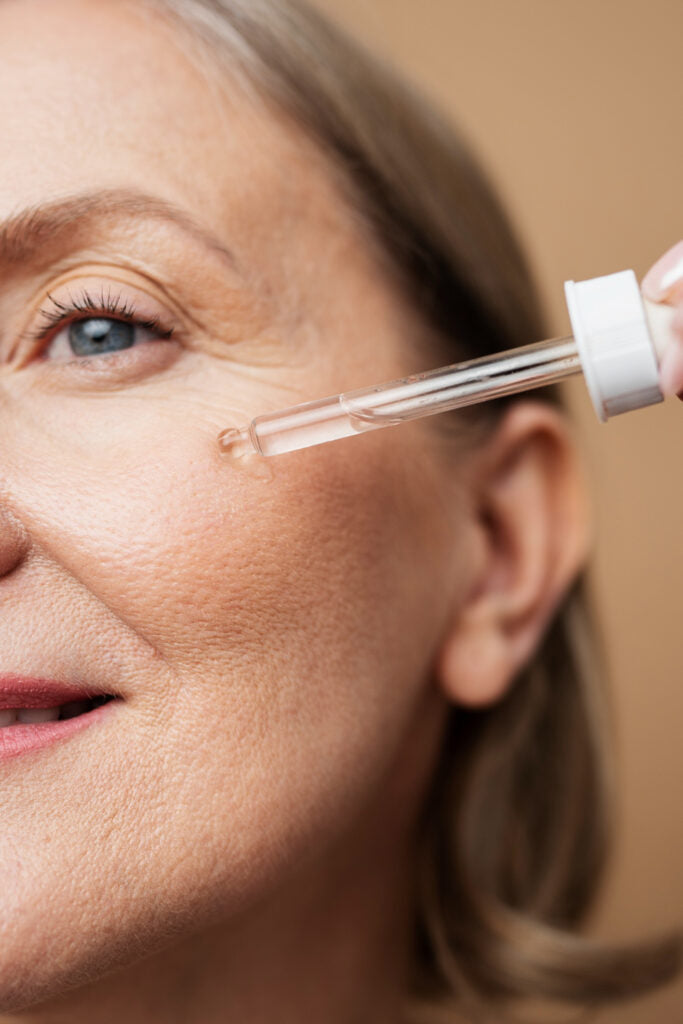
Peptides are becoming an increasingly popular means of supporting health, regeneration, and improving skin condition. They have gained recognition both among professionals in aesthetic medicine and enthusiasts of a healthy lifestyle. Although the benefits of using peptides can be impressive, it is worth remembering that their use may be associated with certain side effects. In this article, we will analyze the potential risks arising from taking peptides to help you make an informed decision about their use.
What are peptides and how do they work?
Peptides are short chains of amino acids that play a key role in the body's biological processes. Their effect depends on their structure and the purpose of use.
- They support tissue regeneration and improve skin condition.
- They increase collagen production, which contributes to wrinkle reduction.
- They regulate metabolic processes, helping to maintain health.
Their effectiveness comes from the ability to precisely affect specific receptors in the body. However, this targeted action can sometimes lead to side effects when the body reacts unexpectedly.
Side effects of using peptides: what you should know

Although peptides are generally considered safe, their use can lead to some unwanted effects. The most common side effects include skin reactions. These may include redness, itching, or swelling at the injection site. For many people, these symptoms are temporary, but sometimes they require consultation with a doctor. Another common problem is a allergic reaction. It manifests as hives, difficulty breathing, or swelling of the face. In such cases, immediate medical help is necessary. Finally, peptides can affect the hormonal system, which in rare cases may lead to glandular function disorders.
Does using peptides affect the hormonal system?
One of the more serious side effects of using peptides is interference with the hormonal system. Some peptides, such as those used to stimulate growth hormone (GH), can lead to excessive activation of glands. The first symptoms of hormonal problems may be fatigue, excessive sweating, or sleep problems. Long-term use of peptides can also affect insulin levels, which is especially important for people at risk of diabetes. To minimize the risk of hormonal disorders, it is advisable to consult a doctor before starting supplementation. Regular check-ups help monitor health and detect potential complications early.
Impact on the immune system
Some peptides can affect the immune system both positively and negatively. Stimulation of the immune system can sometimes lead to unpredictable effects. One problem may be an excessive autoimmune reaction, where the body attacks its own tissues. This manifests as joint pain, fatigue, and inflammation. On the other hand, some peptides can lower the body's defensive responses, increasing susceptibility to infections. Therefore, it is very important to use them with caution and in appropriate doses, preferably under the supervision of a specialist.
Potential interactions with other substances
Using peptides may also carry the risk of interactions with other supplements or medicines. Some peptides can enter into reactions with medicines used for chronic conditions, which may affect their effectiveness or safety. It is important to be aware of the possibility of increased side effects when using several preparations simultaneously. For example, combining peptides with antidiabetic medicines may lead to low blood sugar. Similarly, interactions with immunosuppressive medicines may increase the risk of infections. To avoid problems, it is recommended to consult all used preparations with a doctor or pharmacist. A specialist will help assess whether using peptides is safe in your case.

Summary
Using peptides can bring numerous health and beauty benefits, but it should never be done without awareness of potential side effects. Skin reactions, hormonal disorders, immune system problems, or interactions with other substances are just some of the possible complications. To minimize risks as much as possible, it is always worth consulting a doctor, choosing peptides from trusted producers, and following dosage recommendations. Remember that health is the most important, and informed decisions about supplementation are the key to achieving desired effects without unnecessary risk.


How peptides can improve your eyesight and prevent eye diseases?
Peptides - how often can they be used?