 English


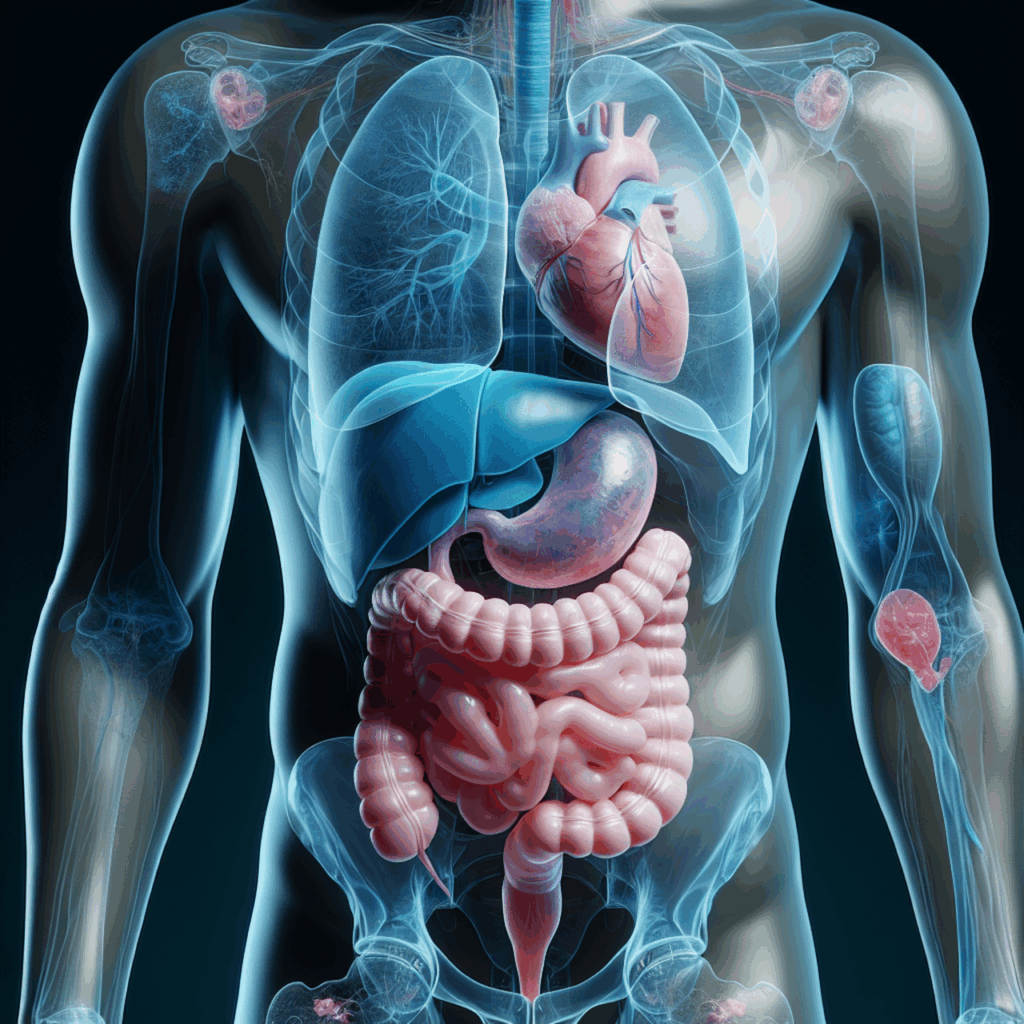
Regeneration of the liver and digestive system is a key process for maintaining health and proper functioning of the body. The liver is responsible for the metabolism of toxins, while the digestive system handles the absorption of nutrients and elimination of waste products. Peptides, as natural biological compounds, are increasingly gaining attention as effective support for the detoxification and regeneration processes of these organs. Thanks to controlled release, they can act precisely and efficiently, aiding cell repair and strengthening the body's natural defense mechanisms.
How do peptides support liver regeneration?
Peptides act on the liver by stimulating repair and anti-inflammatory processes. Their action promotes the renewal of liver cells, which is especially important in damage caused by toxins, medicines, or excessive oxidative stress. Additionally, peptides can regulate the metabolism of fats and carbohydrates, supporting the overall function of the organ.
- Liver cell regeneration – peptides support the multiplication of hepatocytes.
- Protection against oxidative stress – neutralization of free radicals.
- Reduction of inflammation – anti-inflammatory action.
- Support of metabolism – improvement of the liver’s metabolic functions.
How do peptides affect the digestive system?
Peptides have a positive effect on the entire digestive system, improving digestion processes and regeneration of the intestinal mucous membrane. This reduces the risk of inflammation and supports proper peristalsis. They also help balance the intestinal microflora, which is essential for effective detoxification and nutrient absorption.
- Strengthening the intestinal mucous membrane – speeding up regeneration.
- Improvement of peristalsis – regulation of bowel movements.
- Balance of intestinal microflora – support of the natural bacterial flora.
- Reduction of inflammation – anti-inflammatory action at the intestinal level.

How do peptides support the body's detoxification?
Peptides act in many ways on the detoxification process, both by supporting detoxifying organs and modulating biochemical processes. They improve the enzymatic functions of the liver, speed up toxin removal, and strengthen the body's natural protective barriers. Moreover, their action can be optimized through controlled-release forms, which allow gradual delivery of active ingredients.
- Stimulation of detoxifying enzymes – increased activity of liver enzymes.
- Acceleration of toxin elimination – better cleansing of blood and lymph.
- Strengthening of protective barrier – protection against harmful substances.
- Optimization of action – use of controlled-release forms.
Which peptides are most effective in regeneration and detoxification?
Not all peptides act the same way. The choice of the right type of peptides depends on the specific therapeutic goal. The most commonly used peptides are those with liver-protective, anti-inflammatory, and antioxidant effects. Below is a table summarizing the main peptides and their properties supporting liver and digestive system regeneration:
Peptide type |
Action |
Benefits for liver and digestive system |
Example uses |
Liver-protective |
Protection and regeneration of hepatocytes |
Regeneration of damaged cells, protection against toxins |
Therapy after liver damage |
Antioxidant |
Neutralization of free radicals |
Reduction of oxidative stress, protection of mucous membrane |
Support of detoxification, prevention |
Anti-inflammatory |
Reduction of inflammation |
Reduction of inflammation in liver and intestines |
Inflammatory diseases of the digestive tract |
Immune-modulating |
Strengthening the immune system |
Improvement of immunity, support of natural defense mechanisms |
Regeneration after chronic infections |
FAQ - Frequently Asked Questions
1. How long does liver regeneration take when using peptides?
Regeneration depends on the degree of damage, but with regular use of peptides, effects are visible after just a few weeks.
2. Are peptides safe for everyone?
Peptides used in controlled doses are safe, but consultation with a doctor is recommended in cases of chronic illnesses.
3. Can peptides be combined with other supplements?
Yes, peptides often enhance the effects of other supplements, especially antioxidants and vitamins.


Peptides and skin health – a comprehensive approach to aging prevention and renewal
Peptides in the treatment of chronic inflammatory and autoimmune conditions — a modern approach to healing