 English


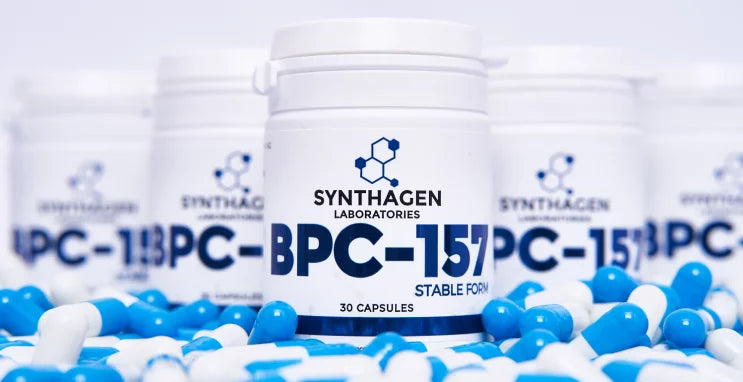
BPC-157 biochemical aspect during regenerative processes
BPC-157, as a complete peptide, participates in biochemical processes leading to a specific effect. The mechanism of action of BPC-157 is a complex process. The formation of new capillaries in biochemistry is called angiogenesis. This process allows for faster regeneration of muscles, bones, joints, and tendons. The regulator having the most significant influence in this process is the vascular endothelial growth factor (VEGF). BPC-157 supports the strengthening of the VEGFR receptor expression, stimulating angiogenesis processes, which leads to an increase in the density of blood vessels. Much indicates that BPC-157 is an activator for paxillin, a signaling adaptor protein that transmits information from the extracellular matrix (ECM), leading to repair processes. These also occur considering the genetic side, where through an increase in the frequency of mitotic divisions of fibroblasts, it stimulates the formation of collagen molecules.



The natural role of amino acids, proteins, and peptides in the proper functioning and renewal of the body